What it is for
A full inspection gives a far more extensive review and comprehensive report of the visible systems, potentially costly defects to the various systems and material property condition than that of a very limited insurance based inspection and report. It can support new home buyers and investors in their purchasing decision and help them understand upcoming or present repairs needed. It also can aid existing homeowners to better understand ongoing issues or help them set potential repair and maintenance needs based on severity.
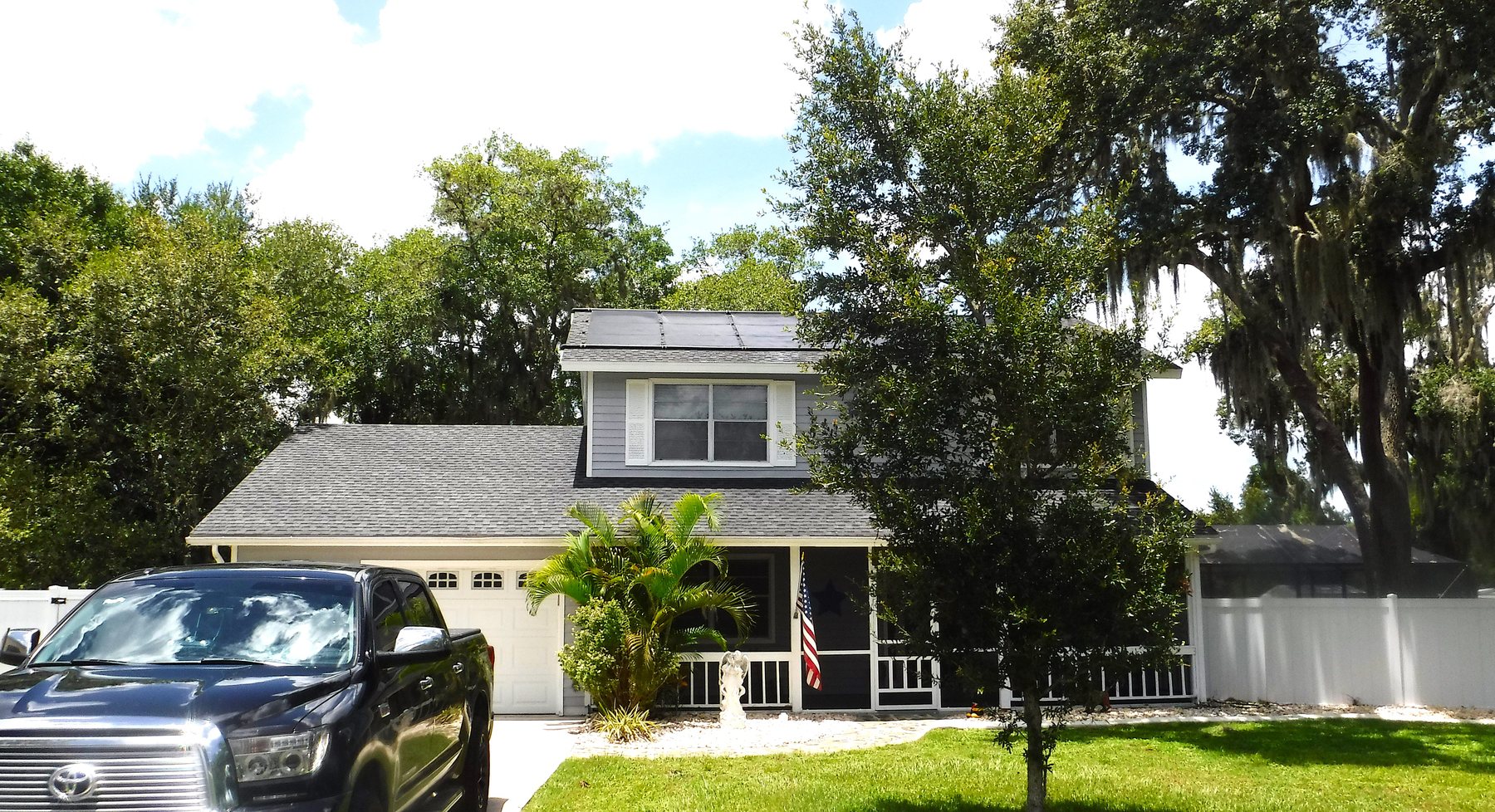
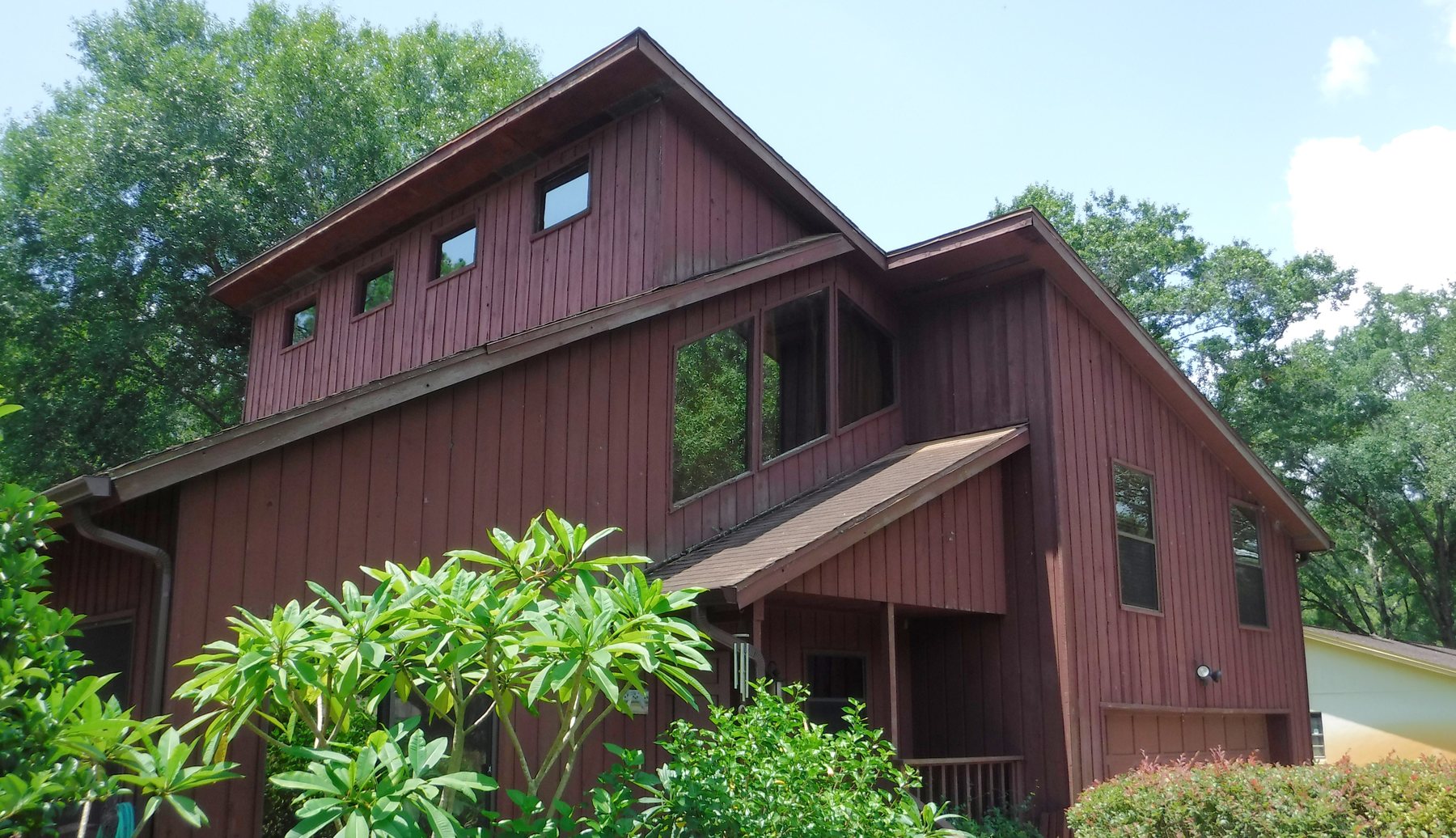
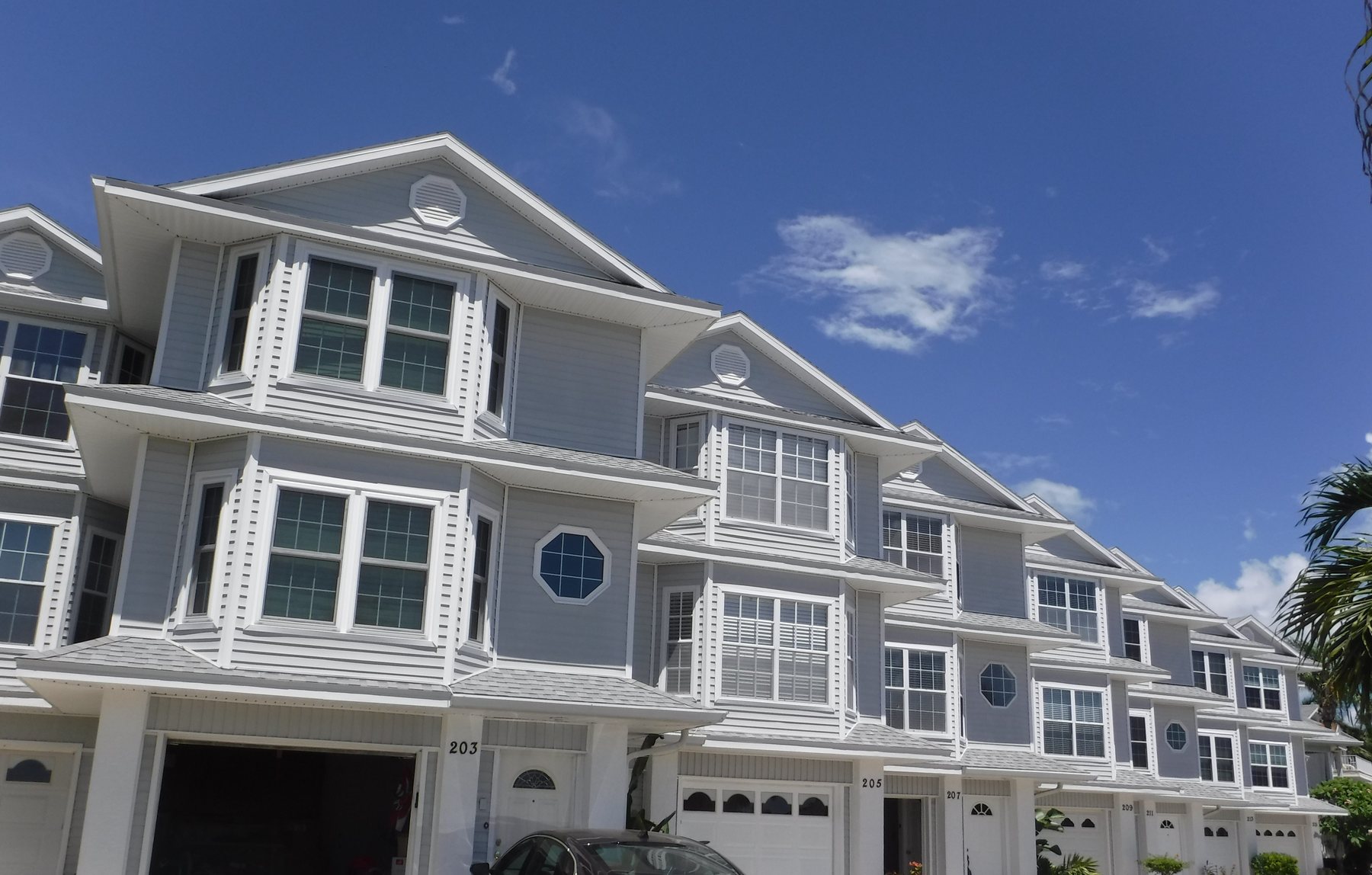
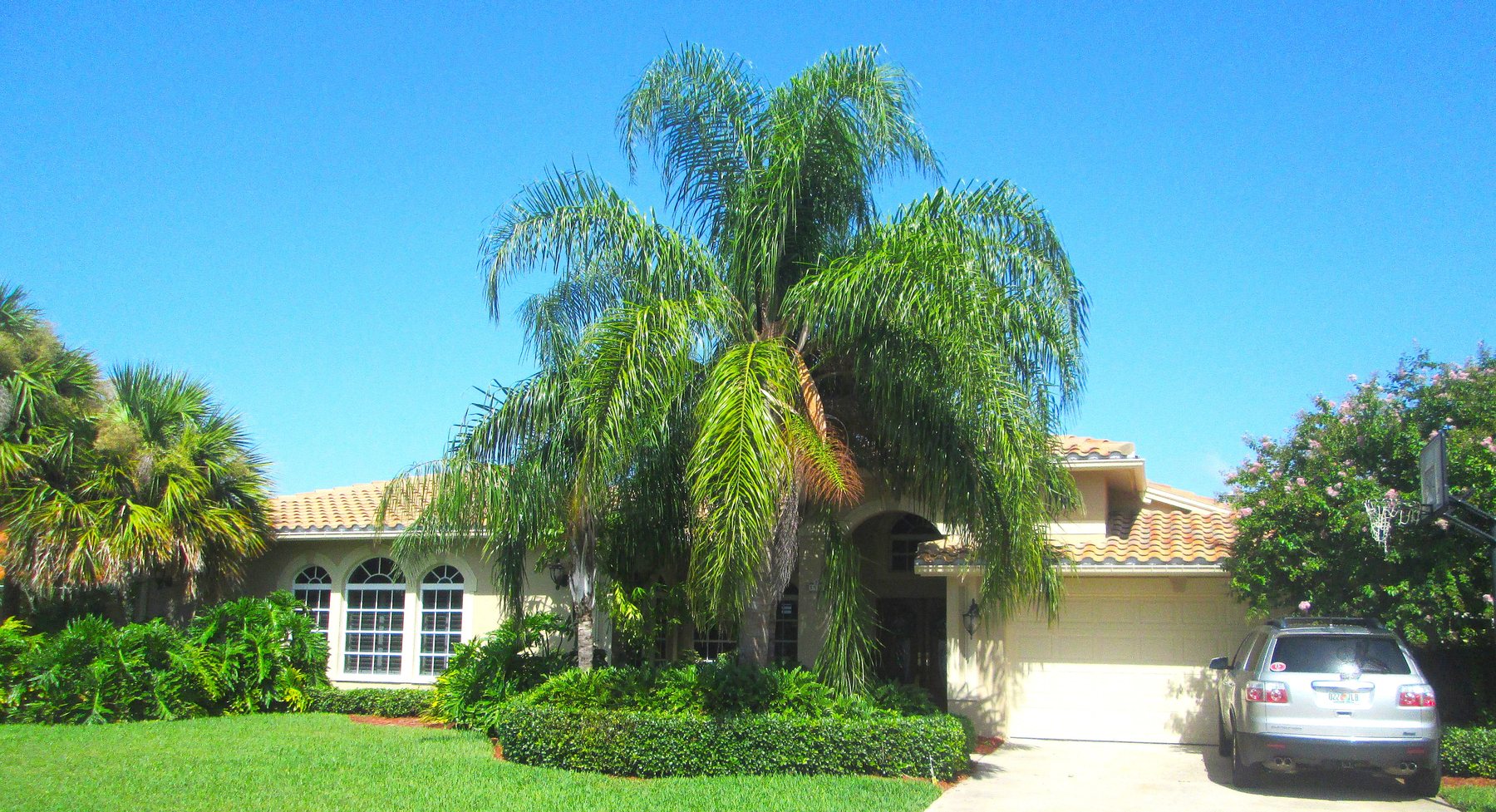
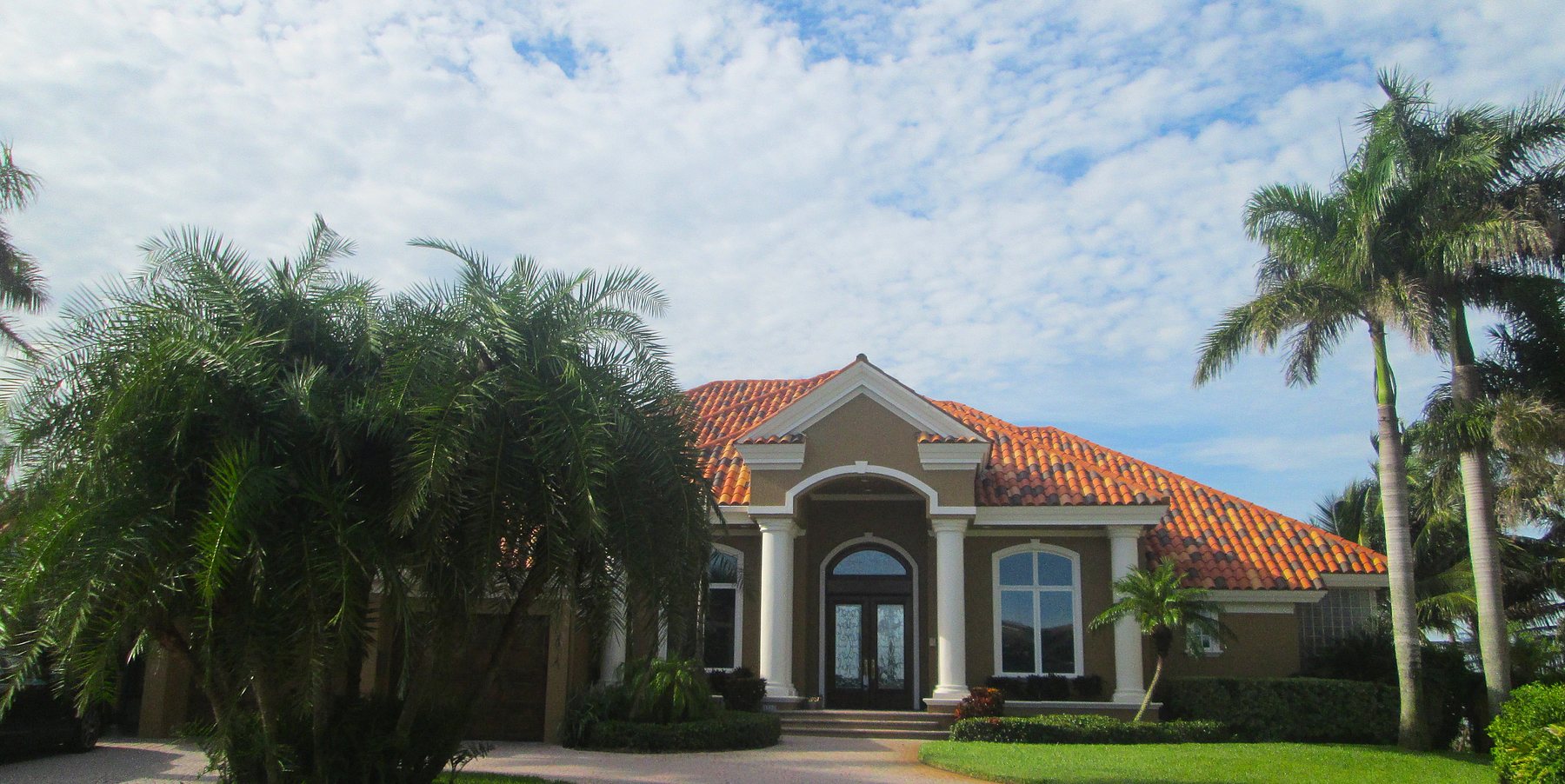
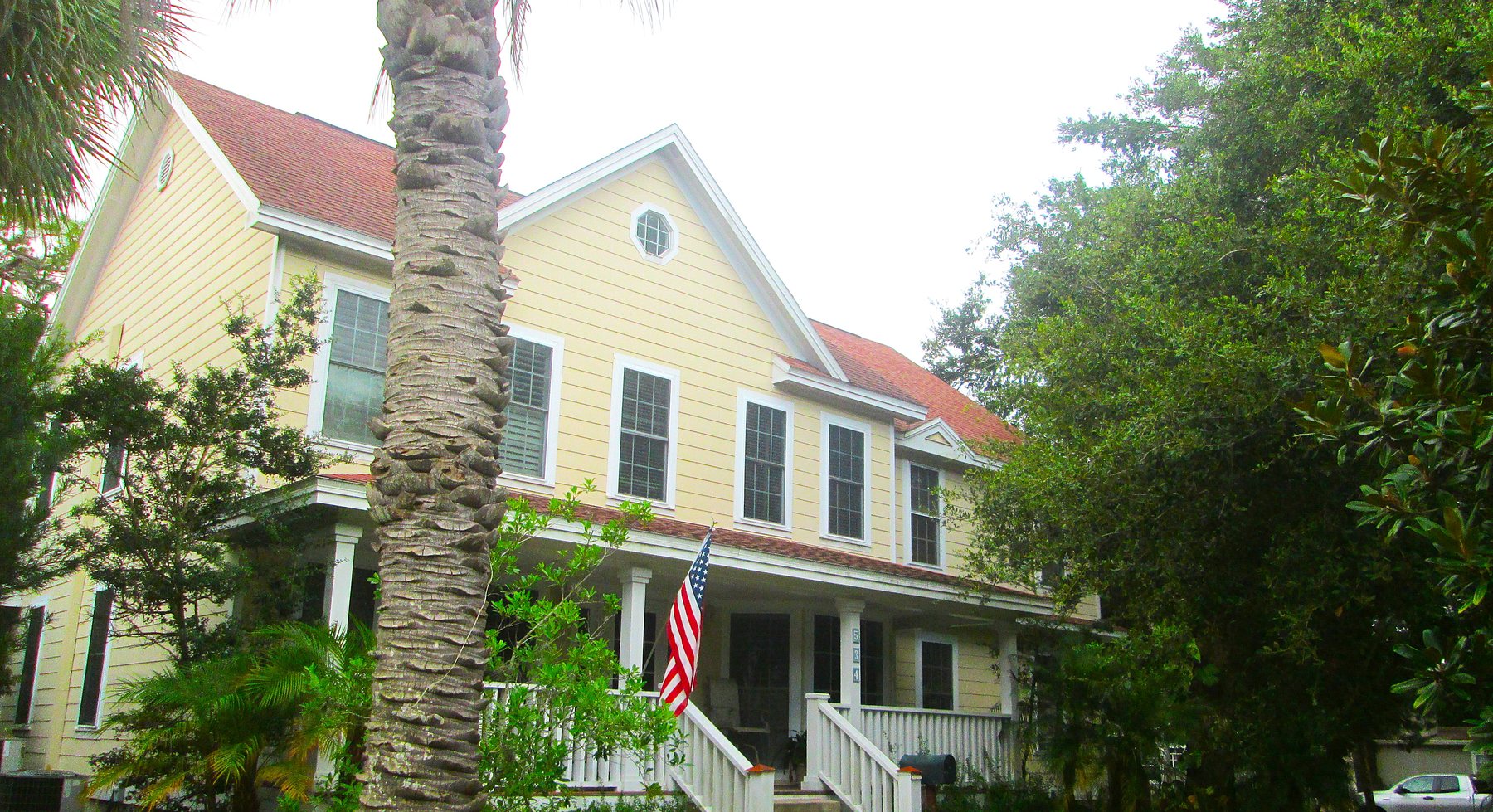
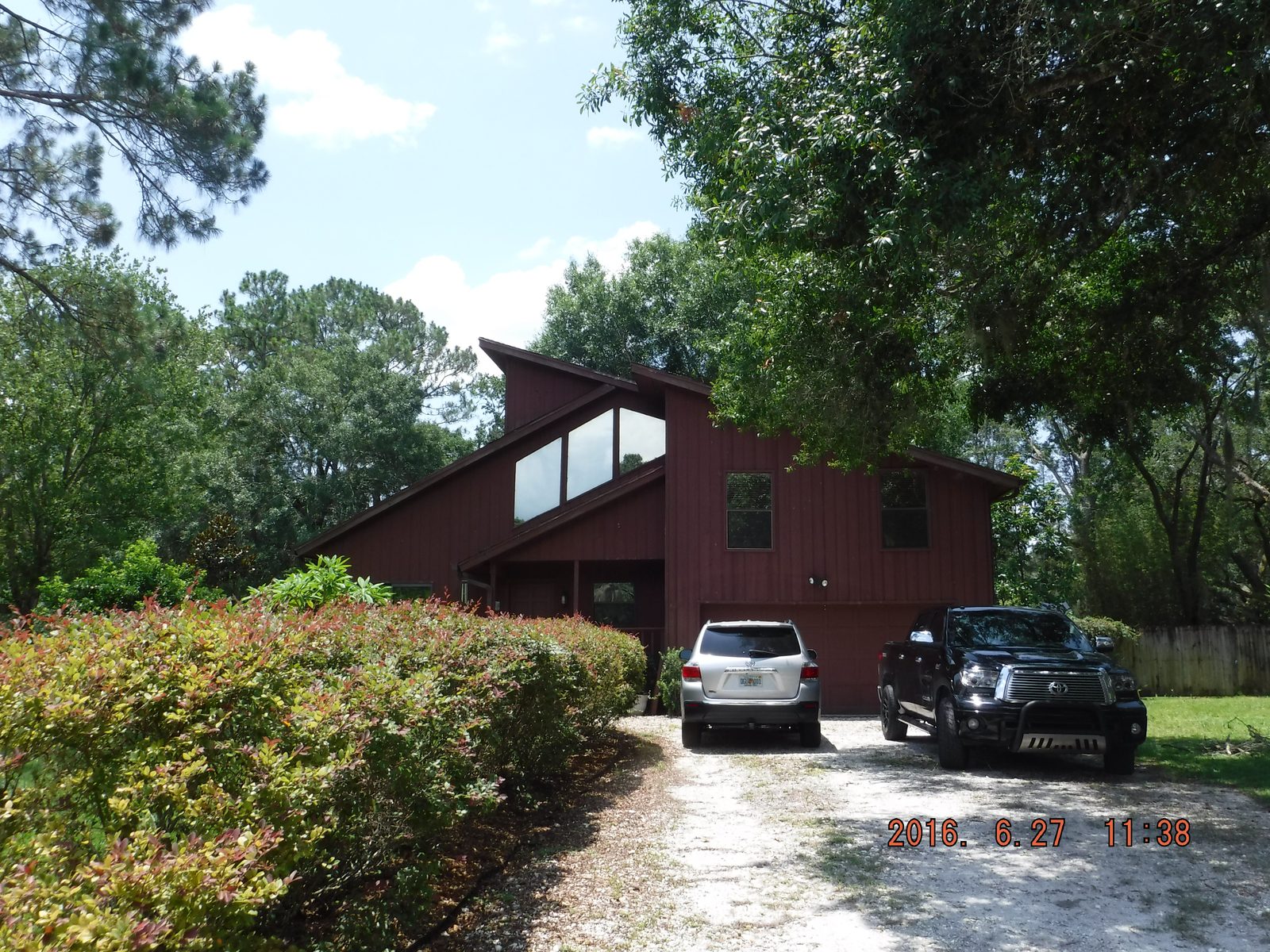
- Residential homes, townhomes, condominium units, duplexes and detached structures.
- Manufactured or mobile homes.
- Multi-unit apartment buildings.
- Light commercial spaces and office condominiums.
- Warehouse areas and storage buildings.
What we document
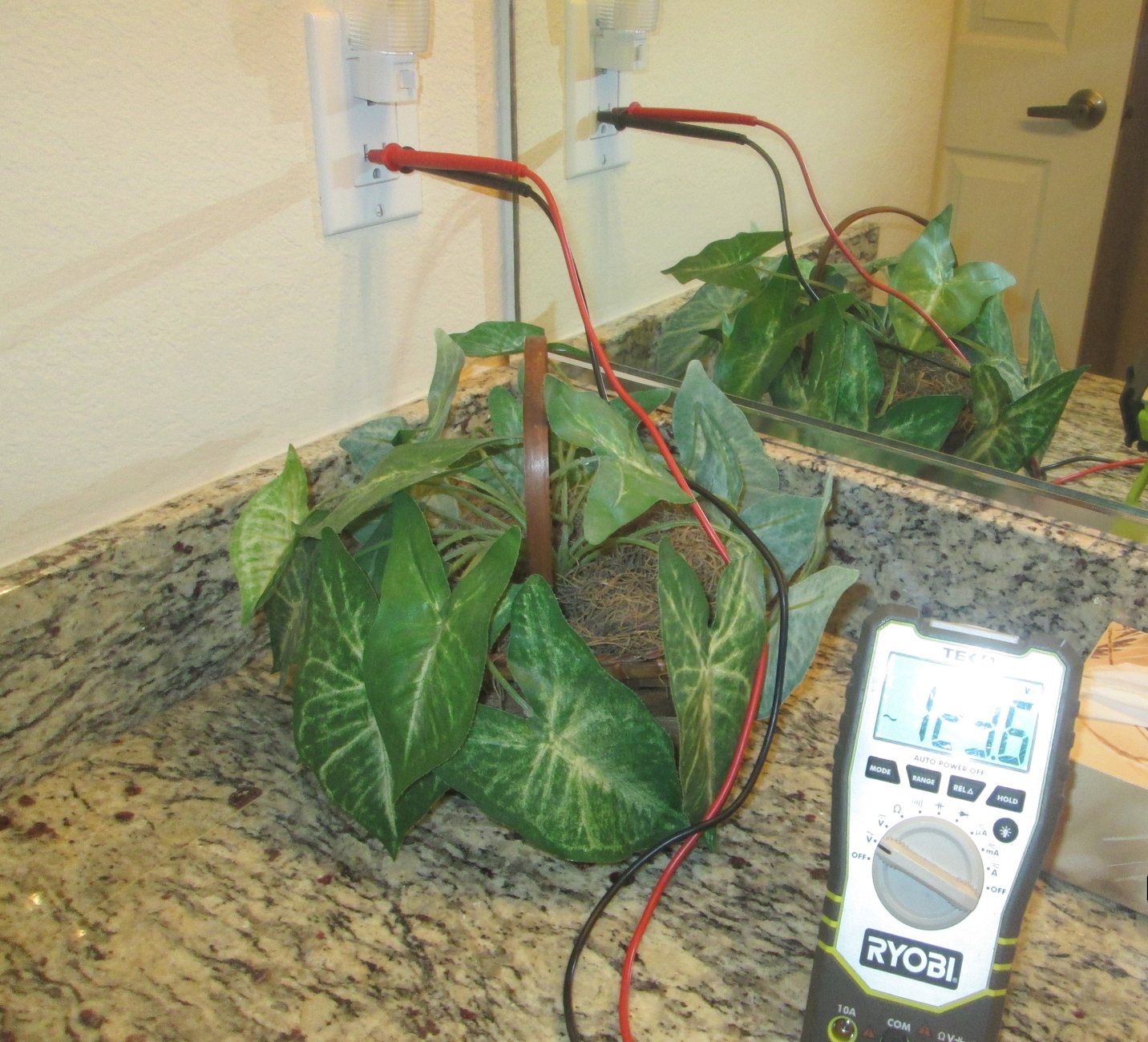
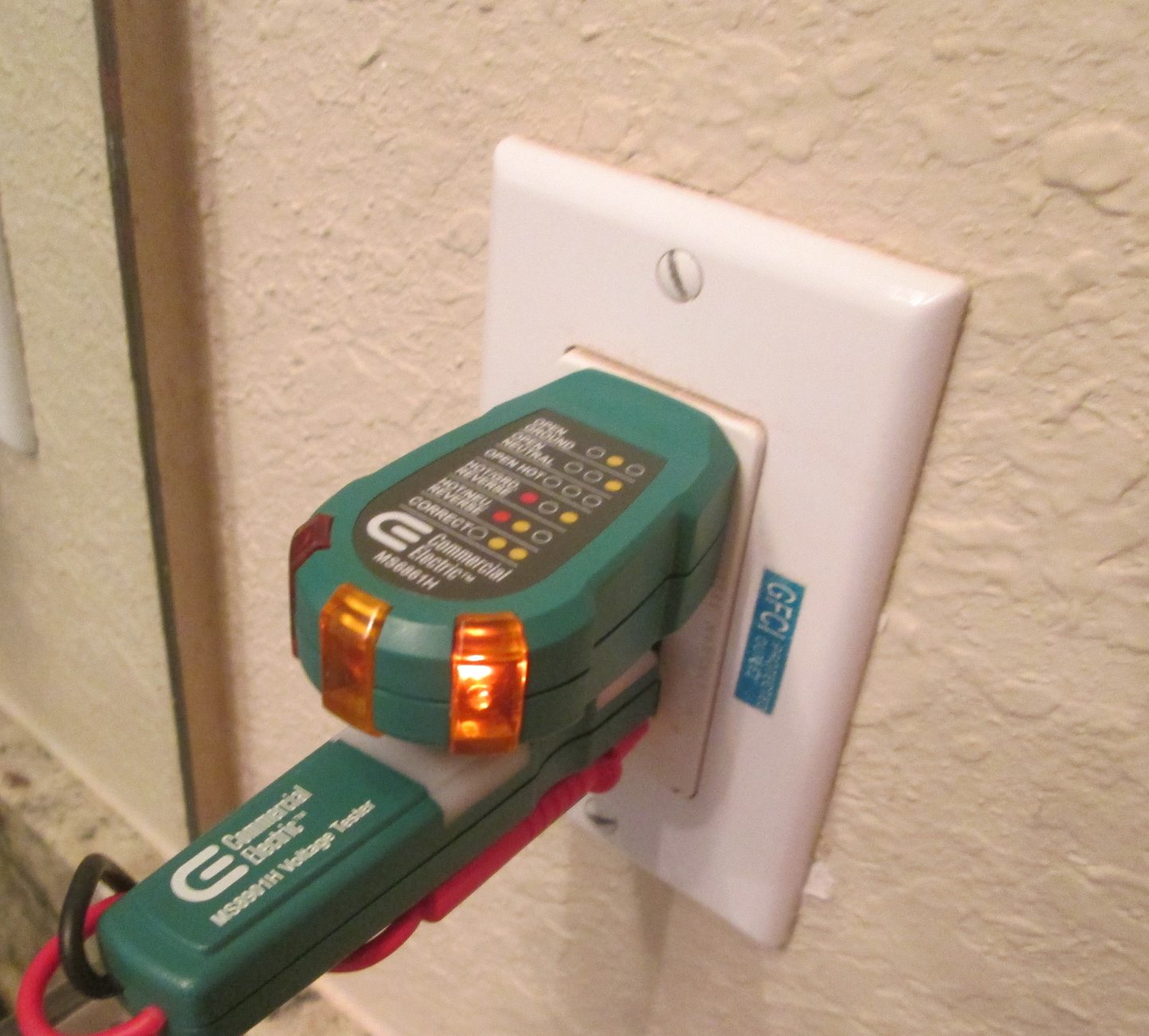
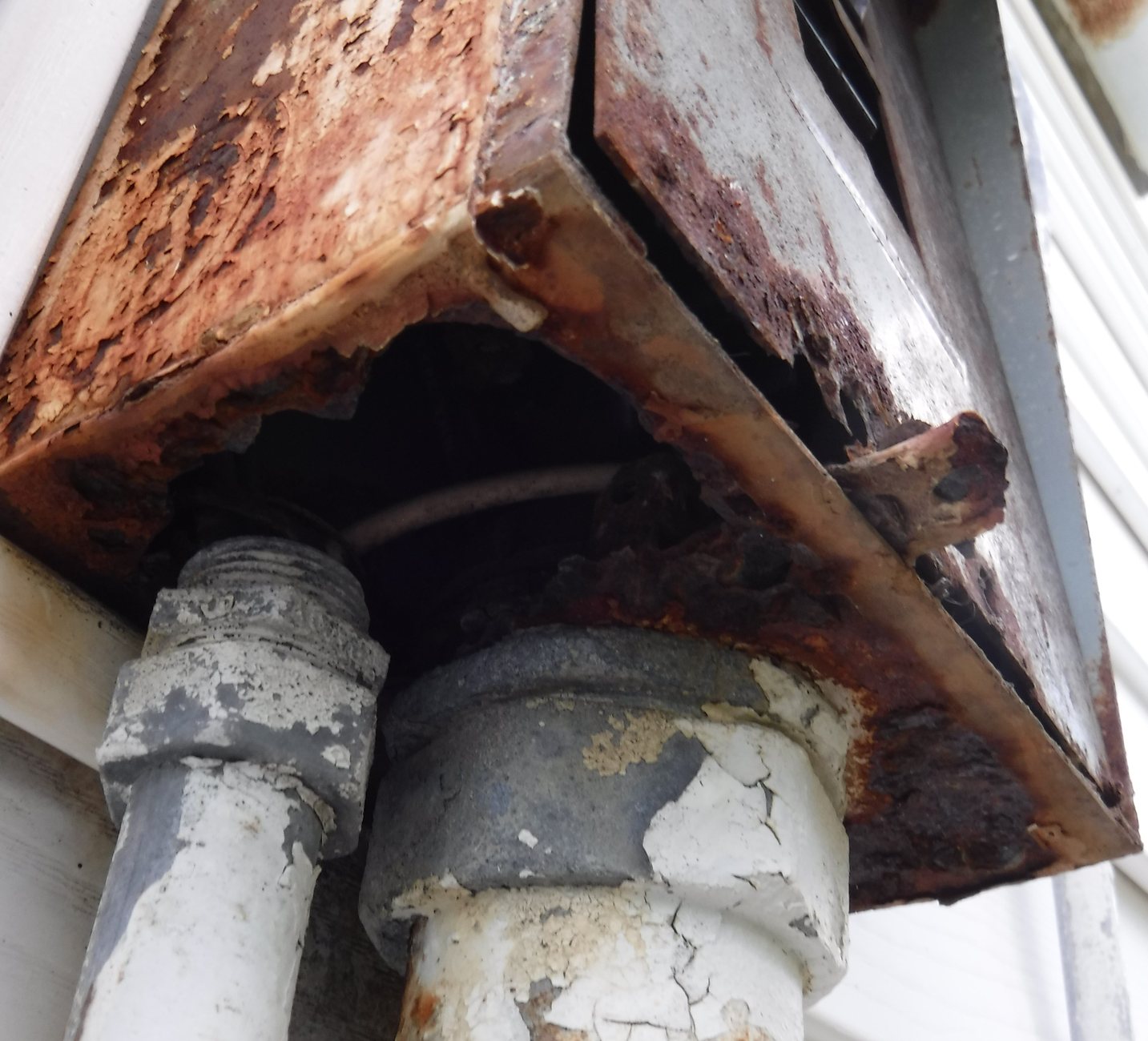
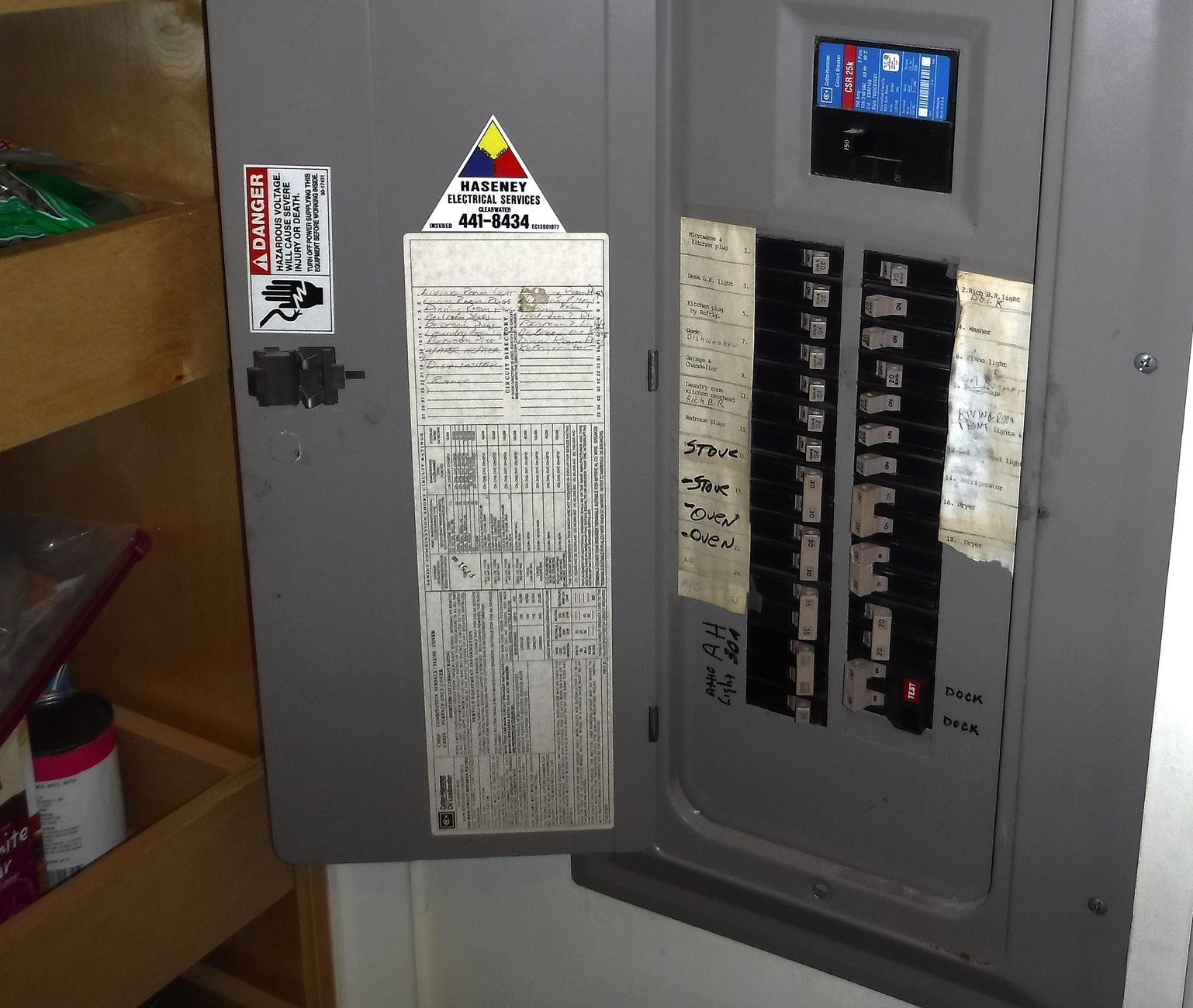
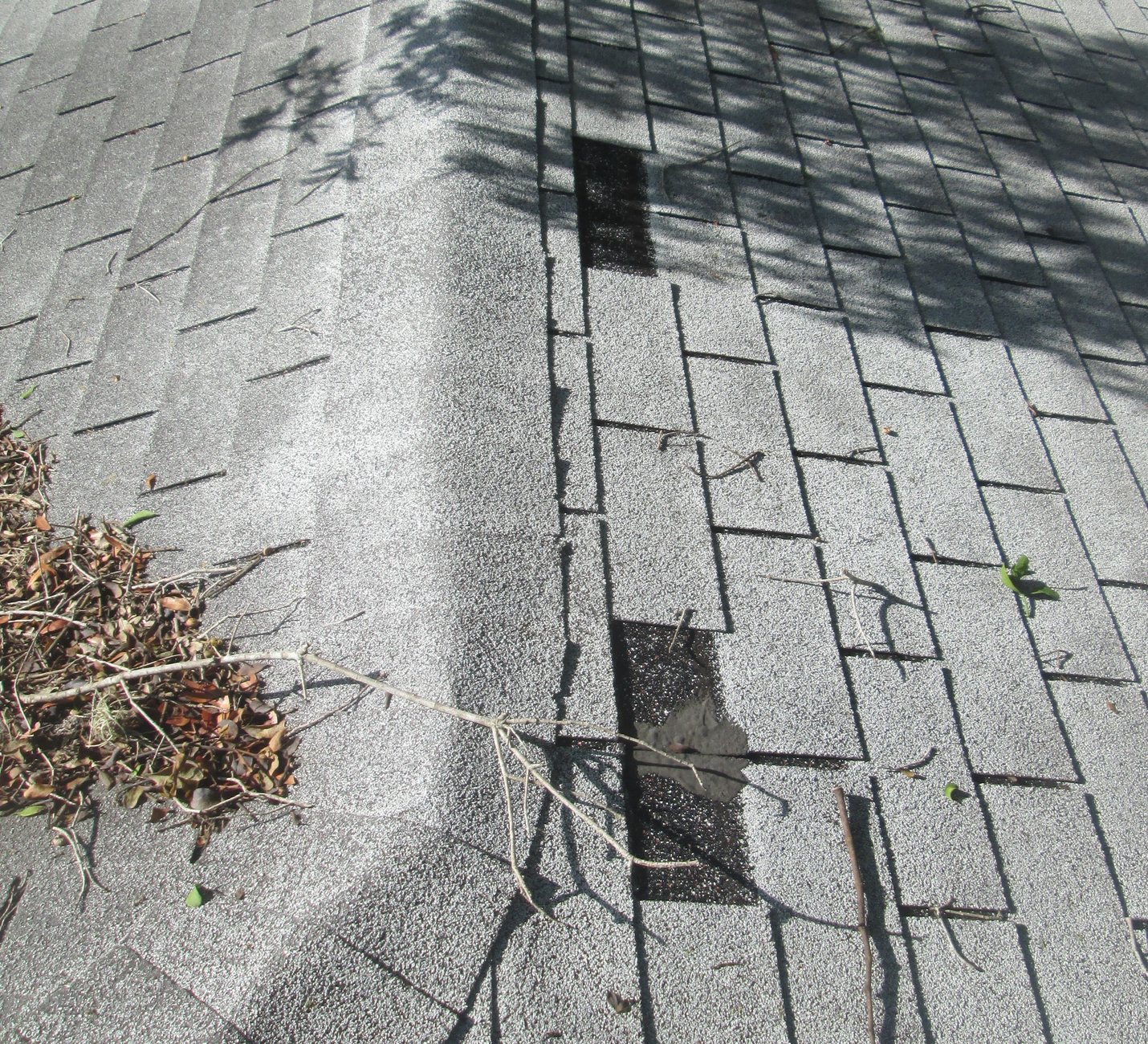
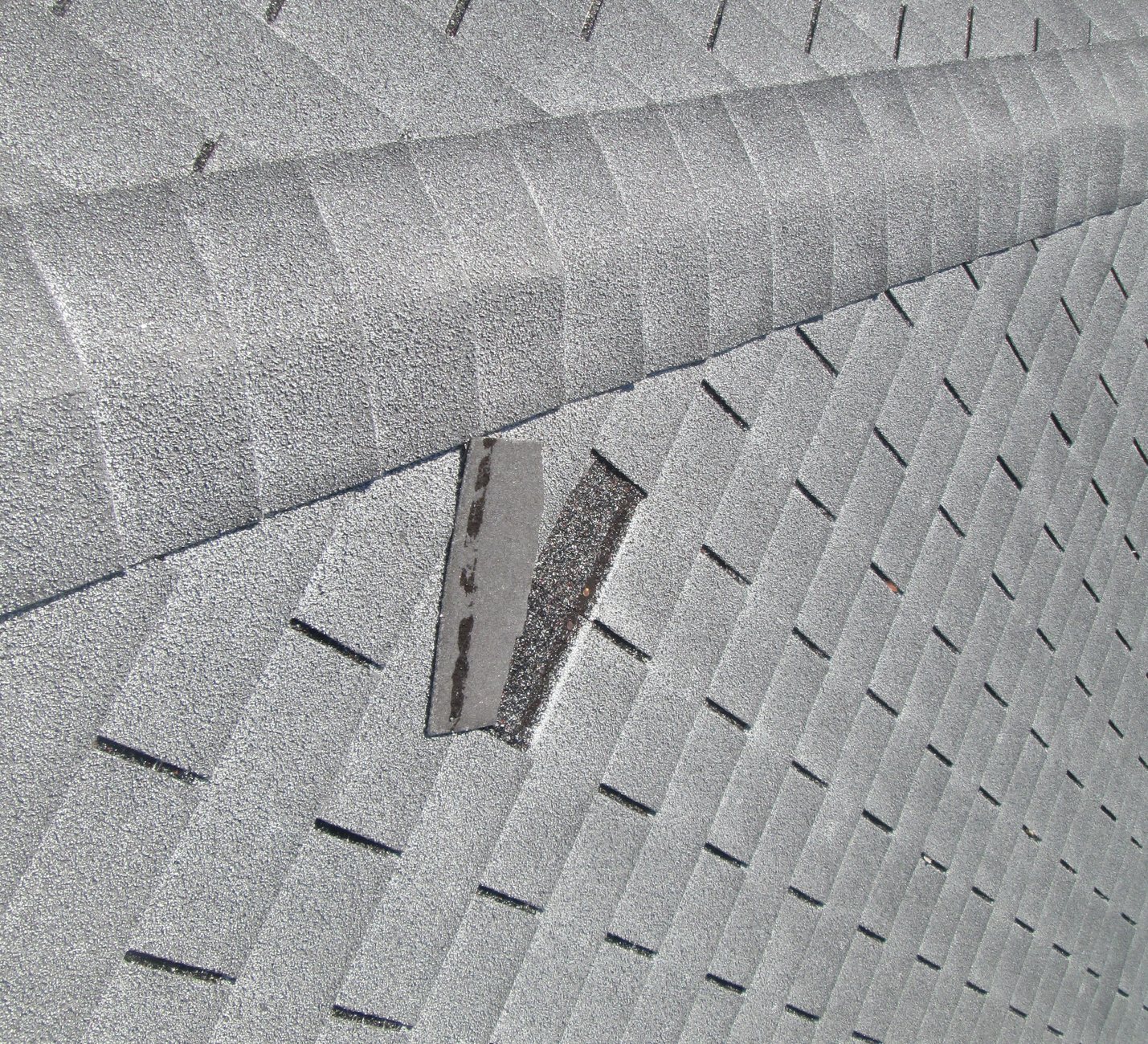
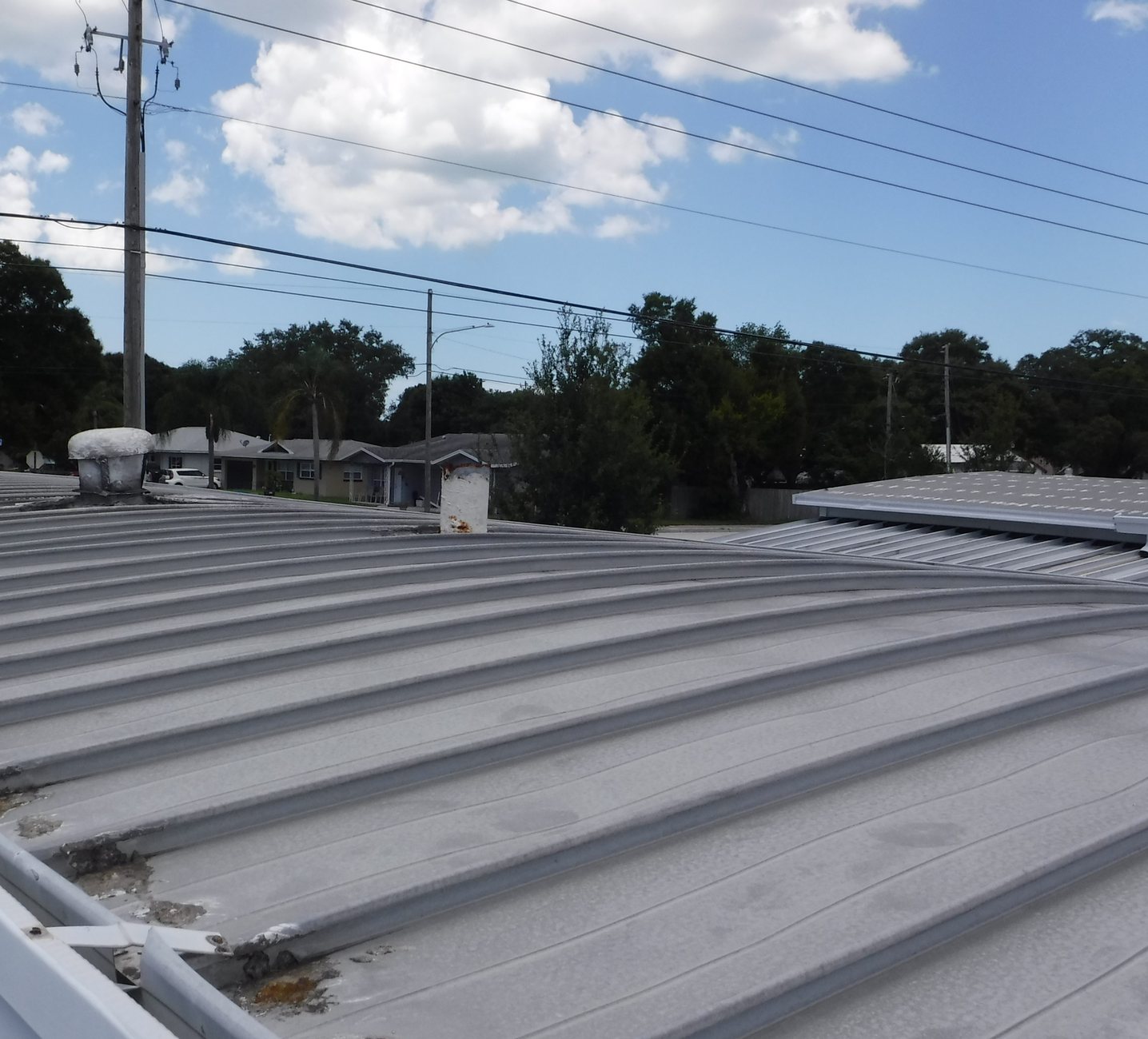
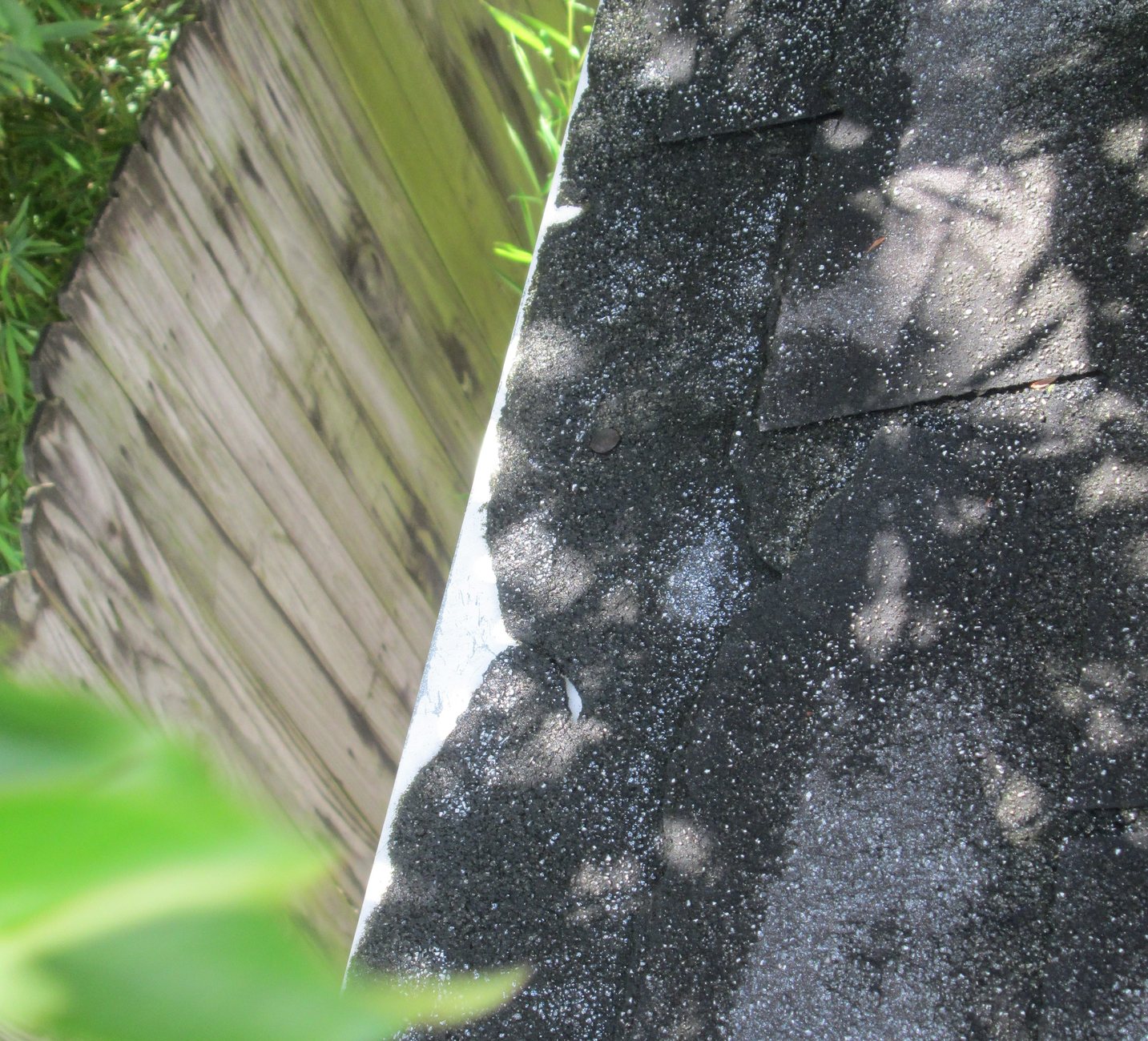
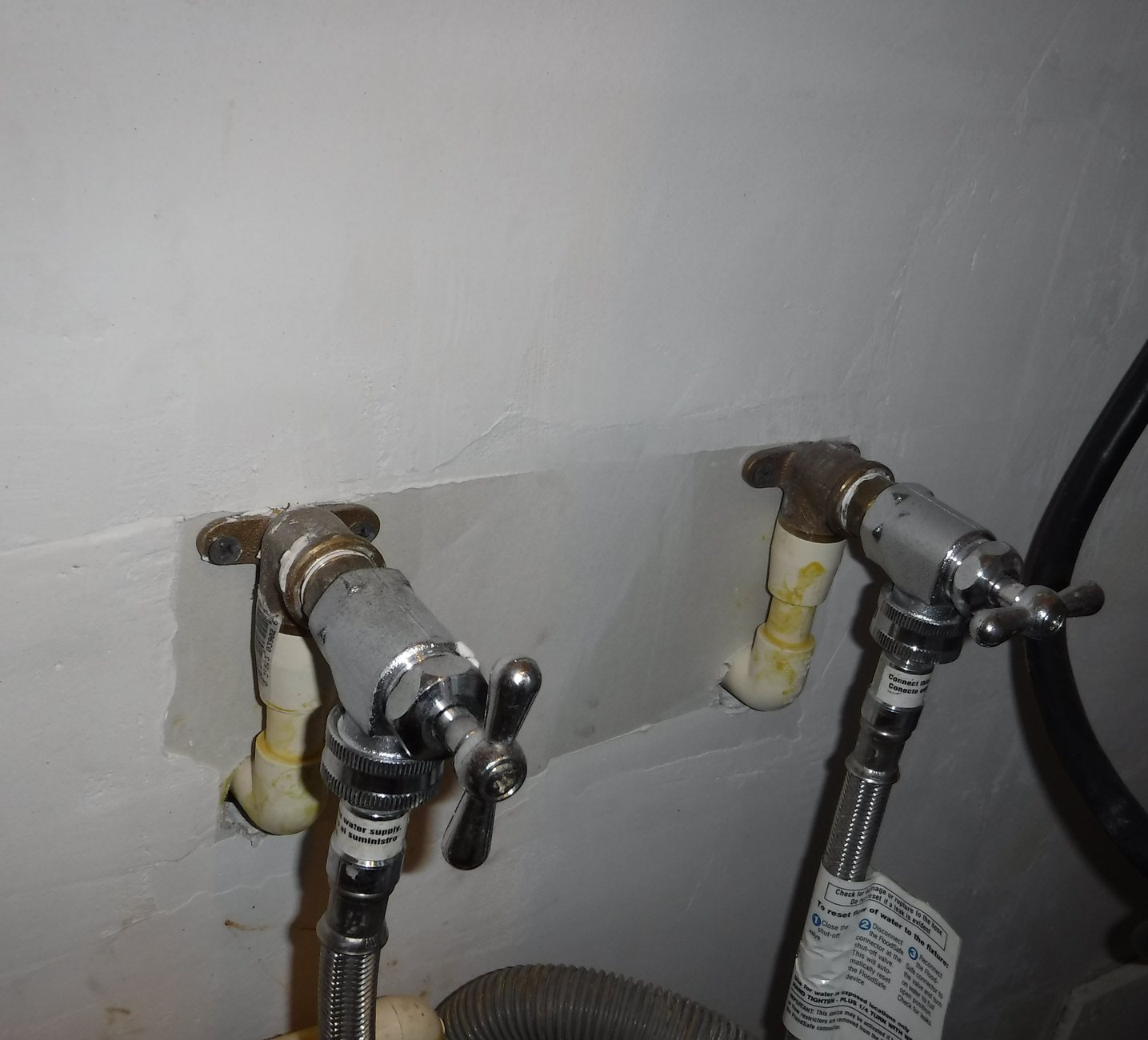
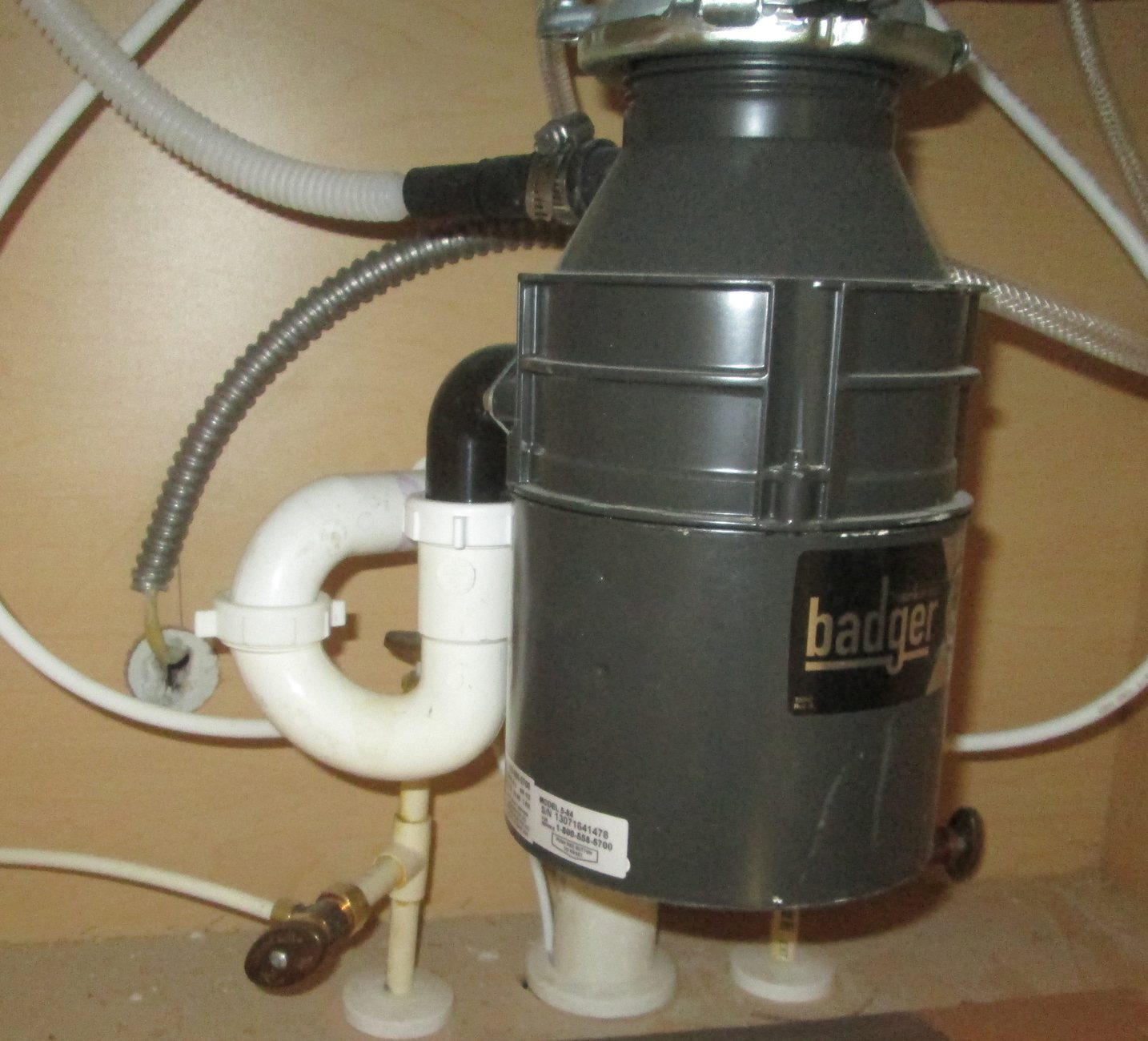
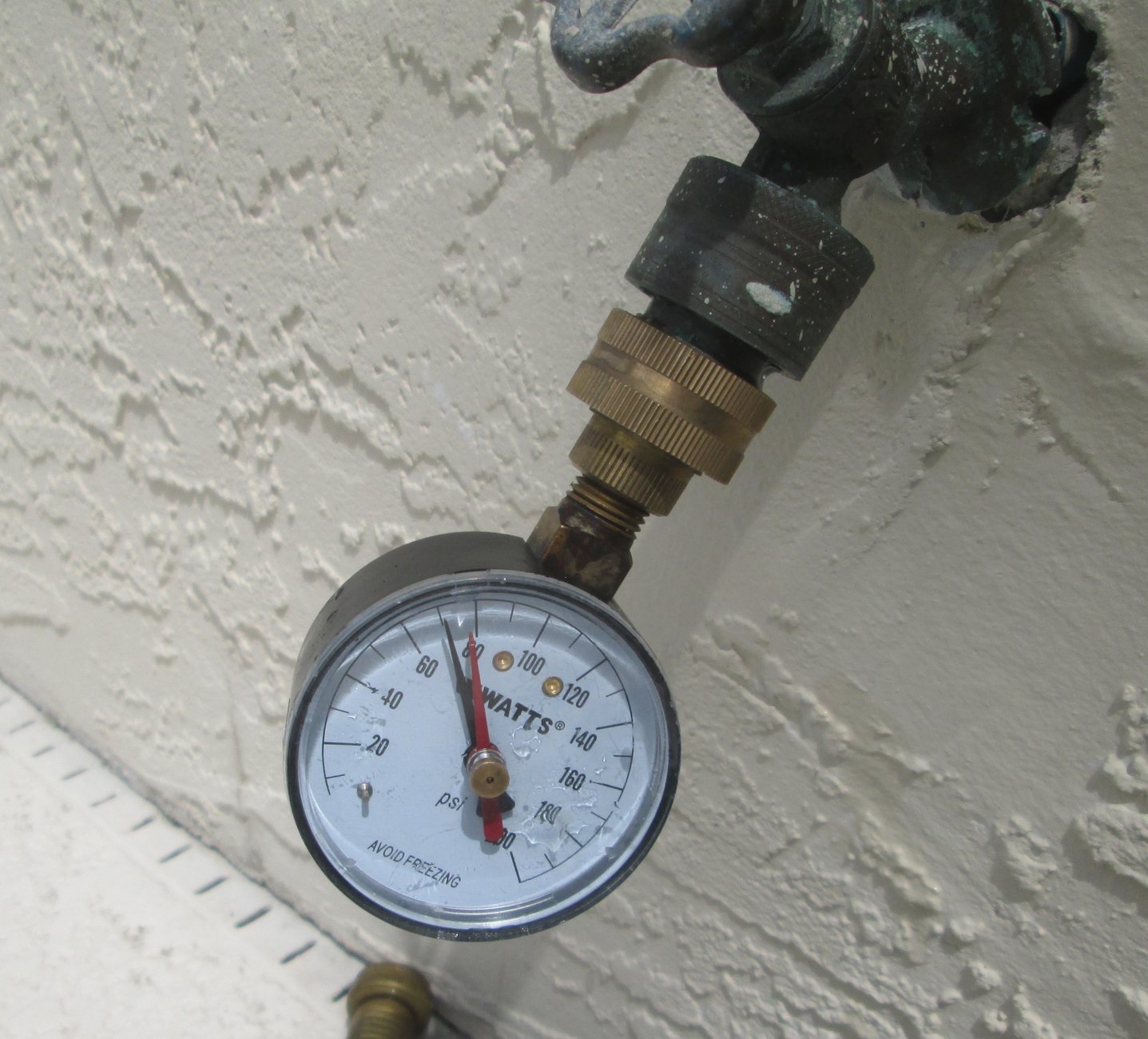
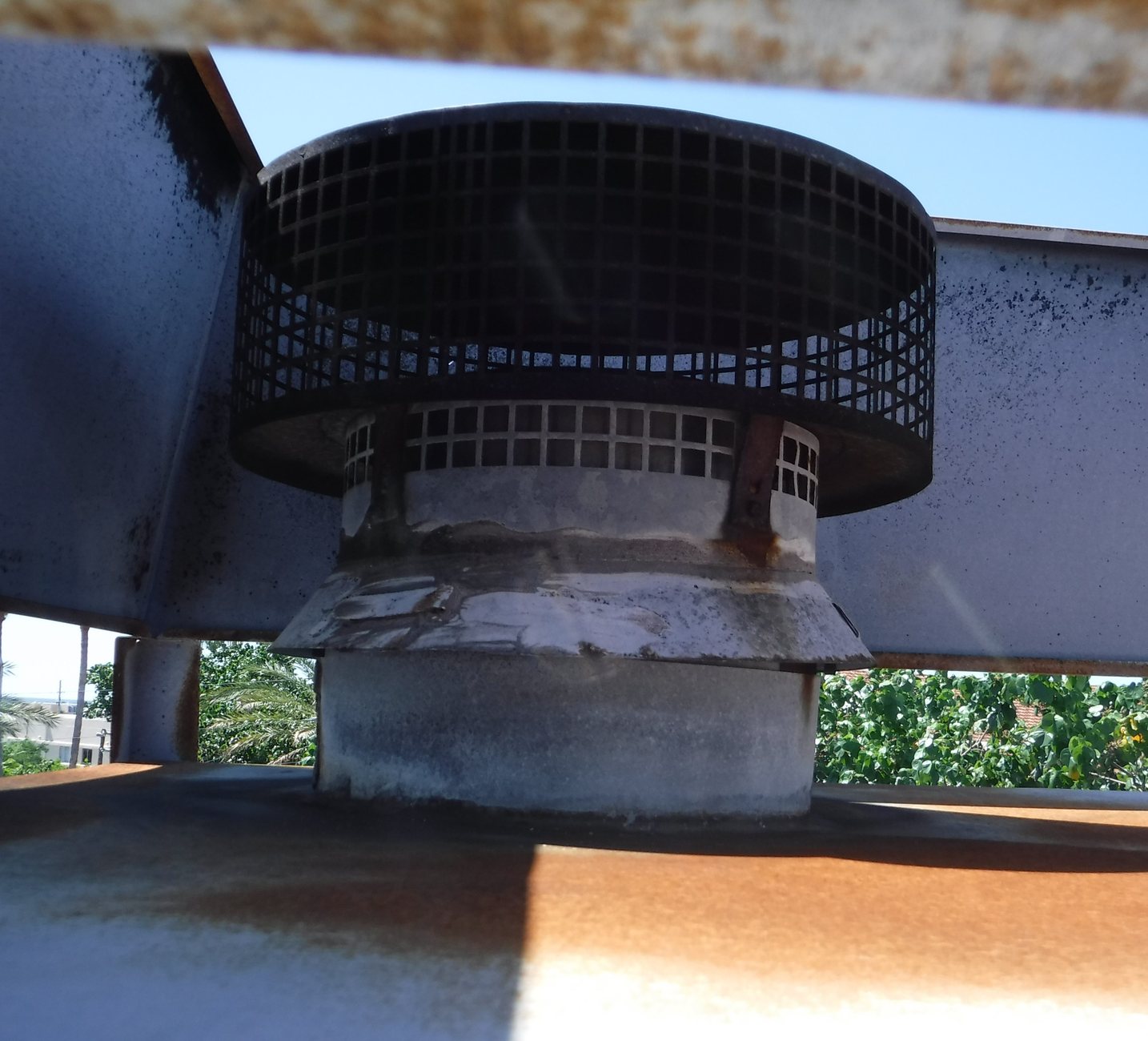
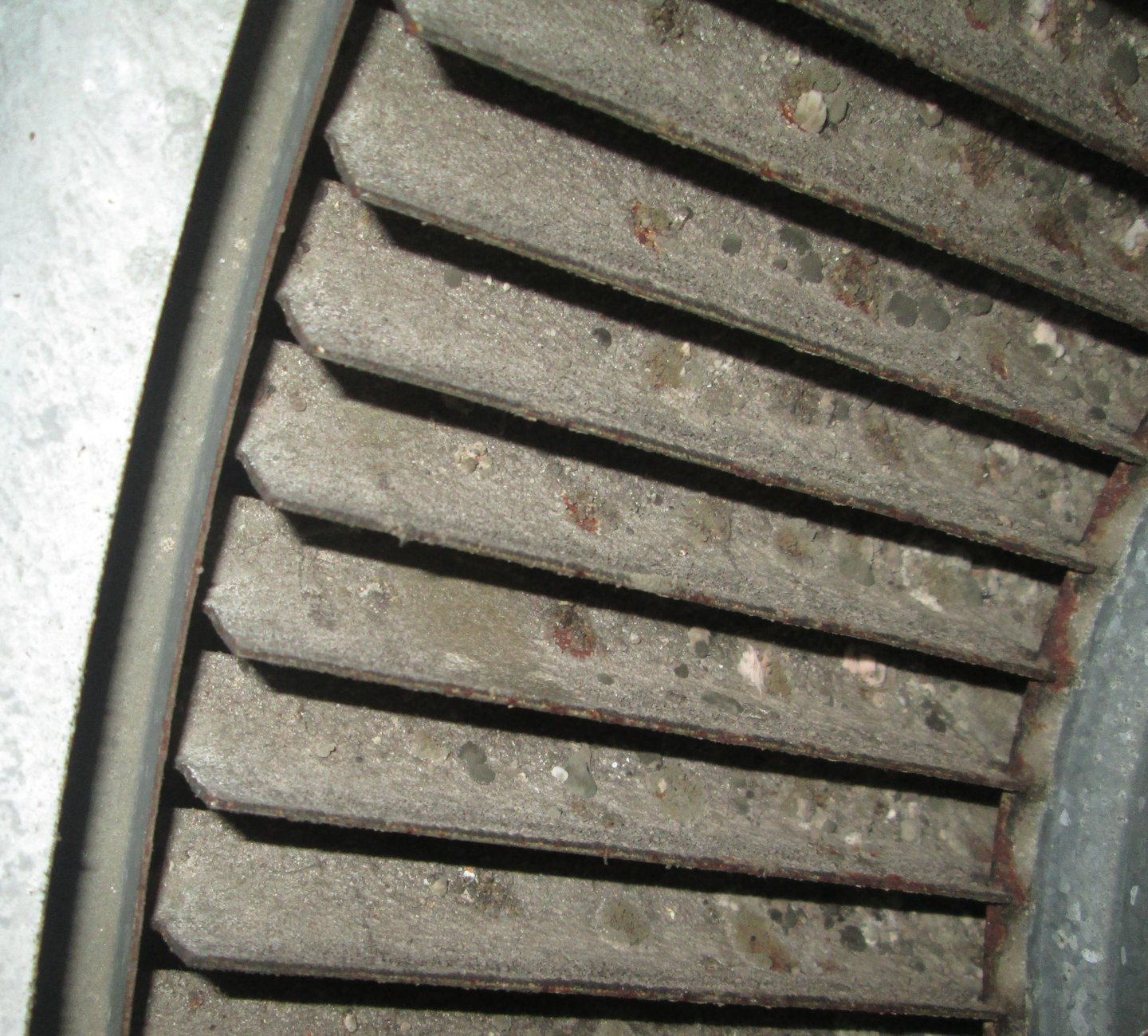
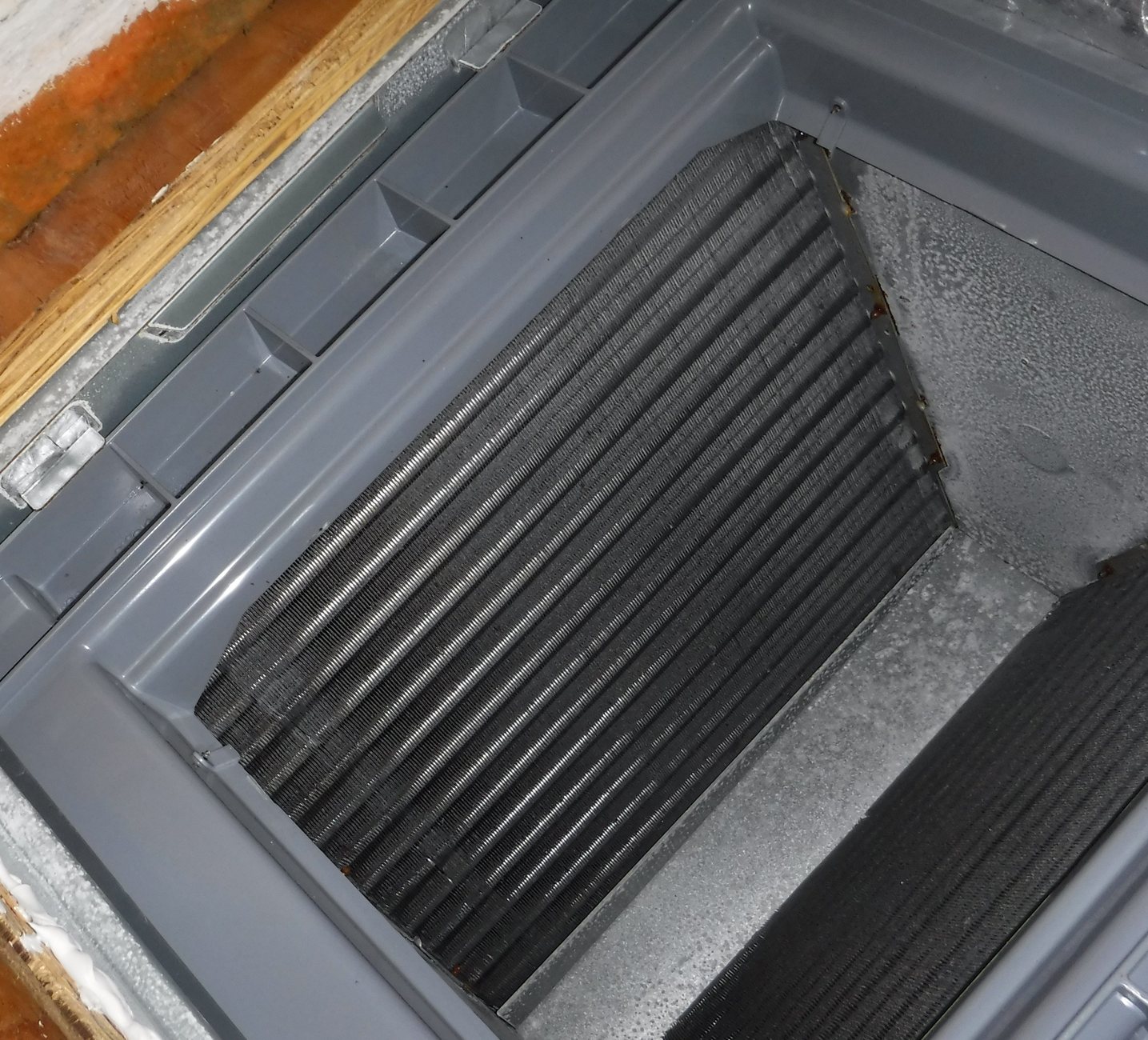
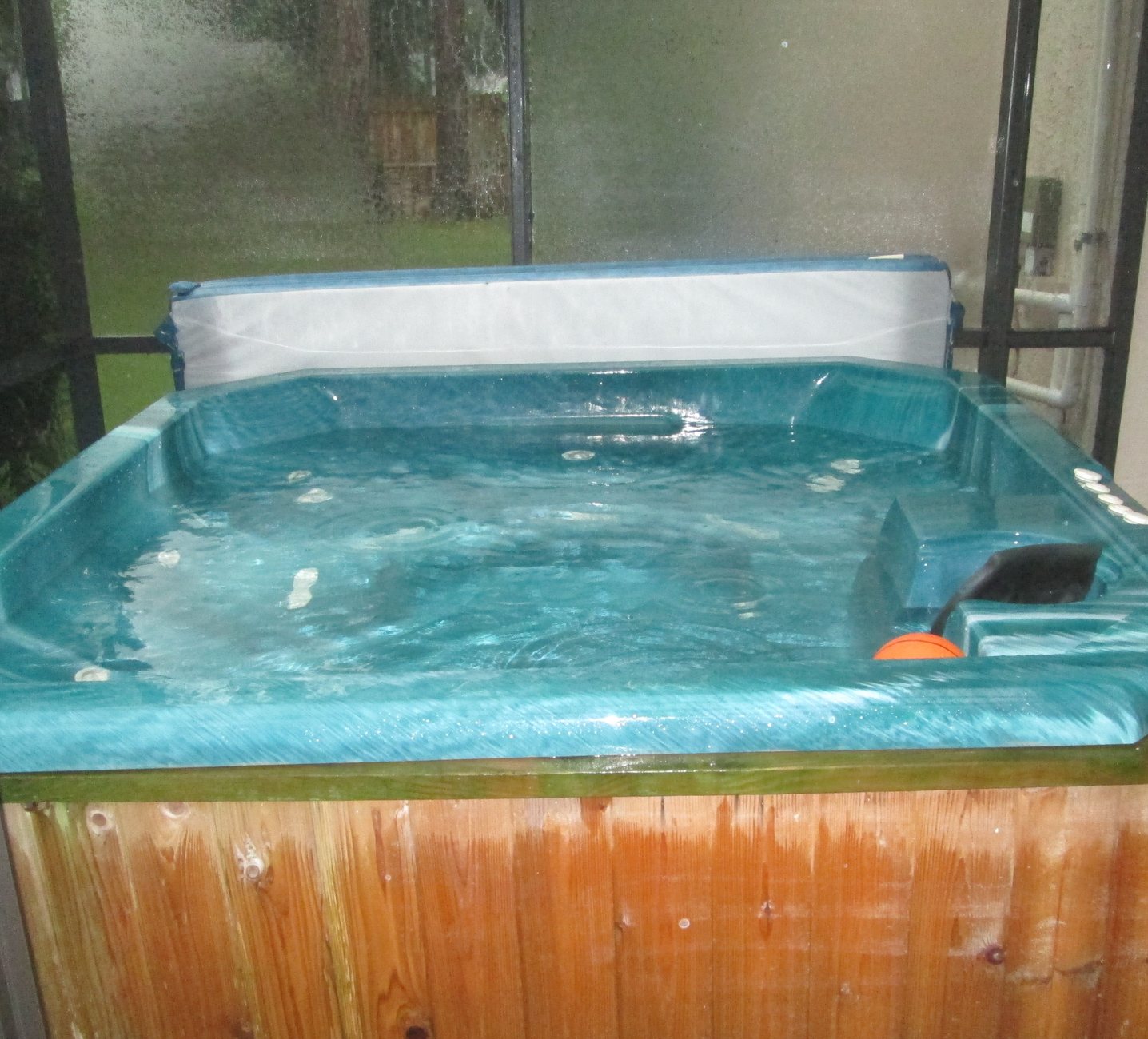
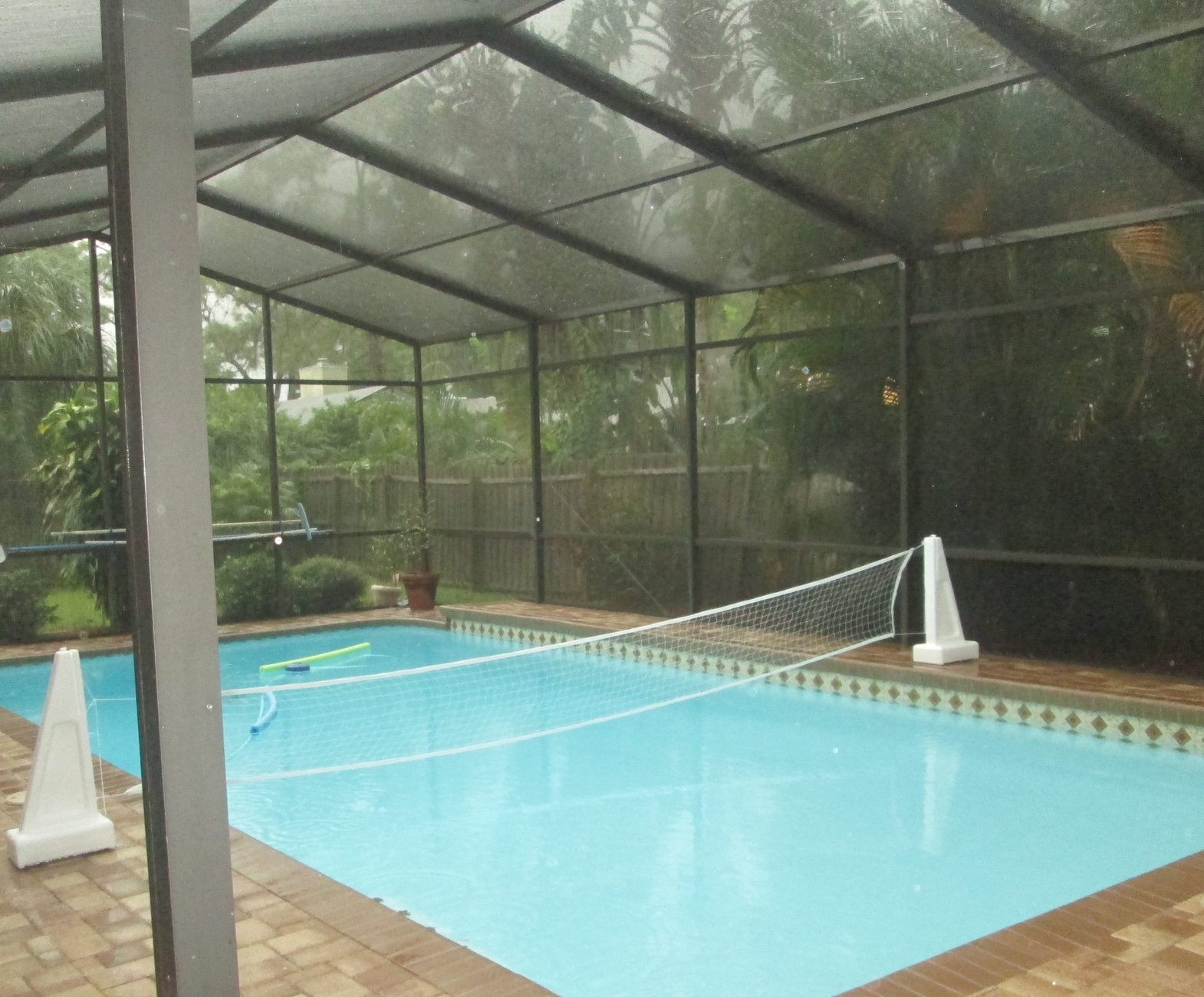
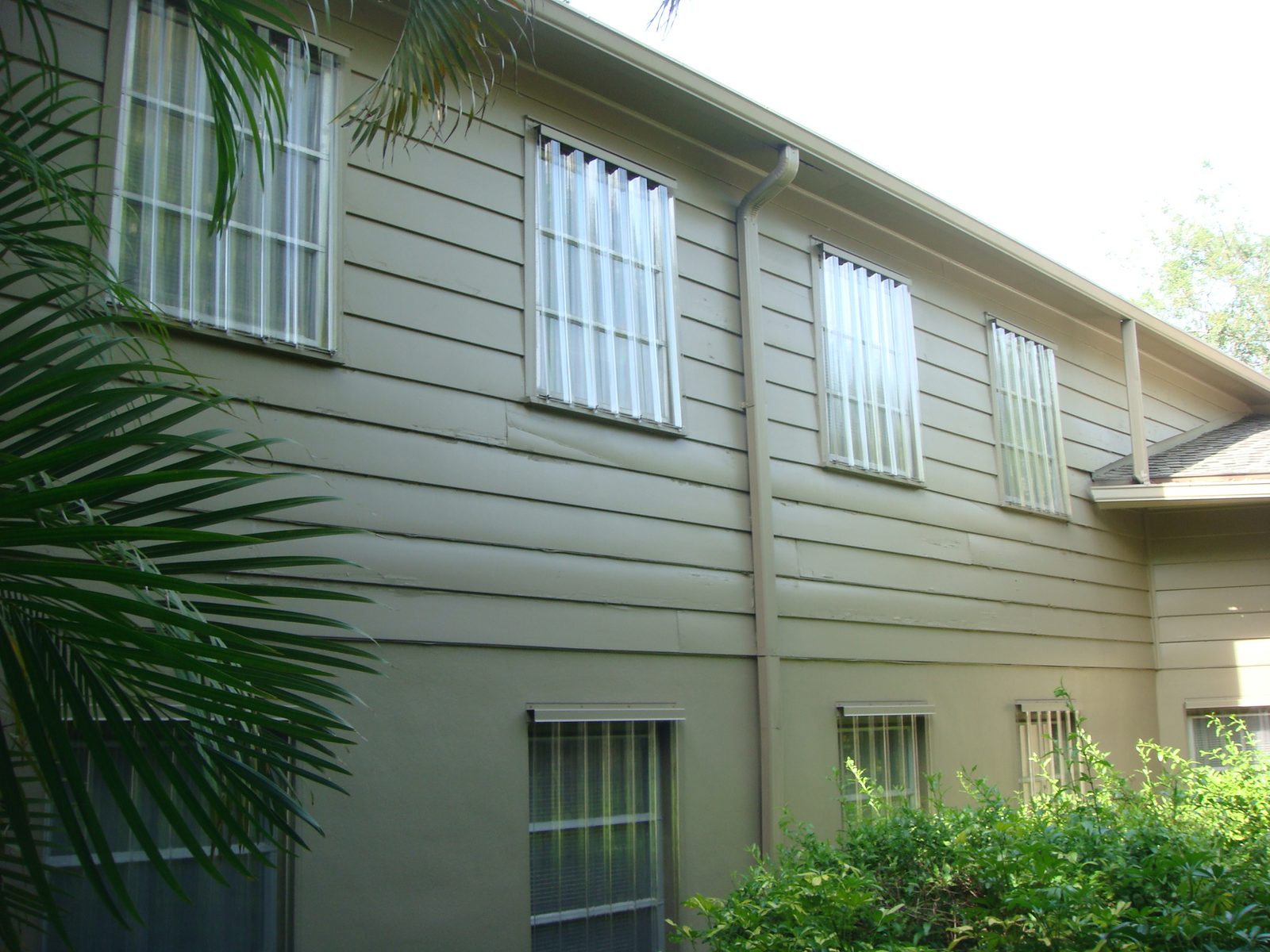
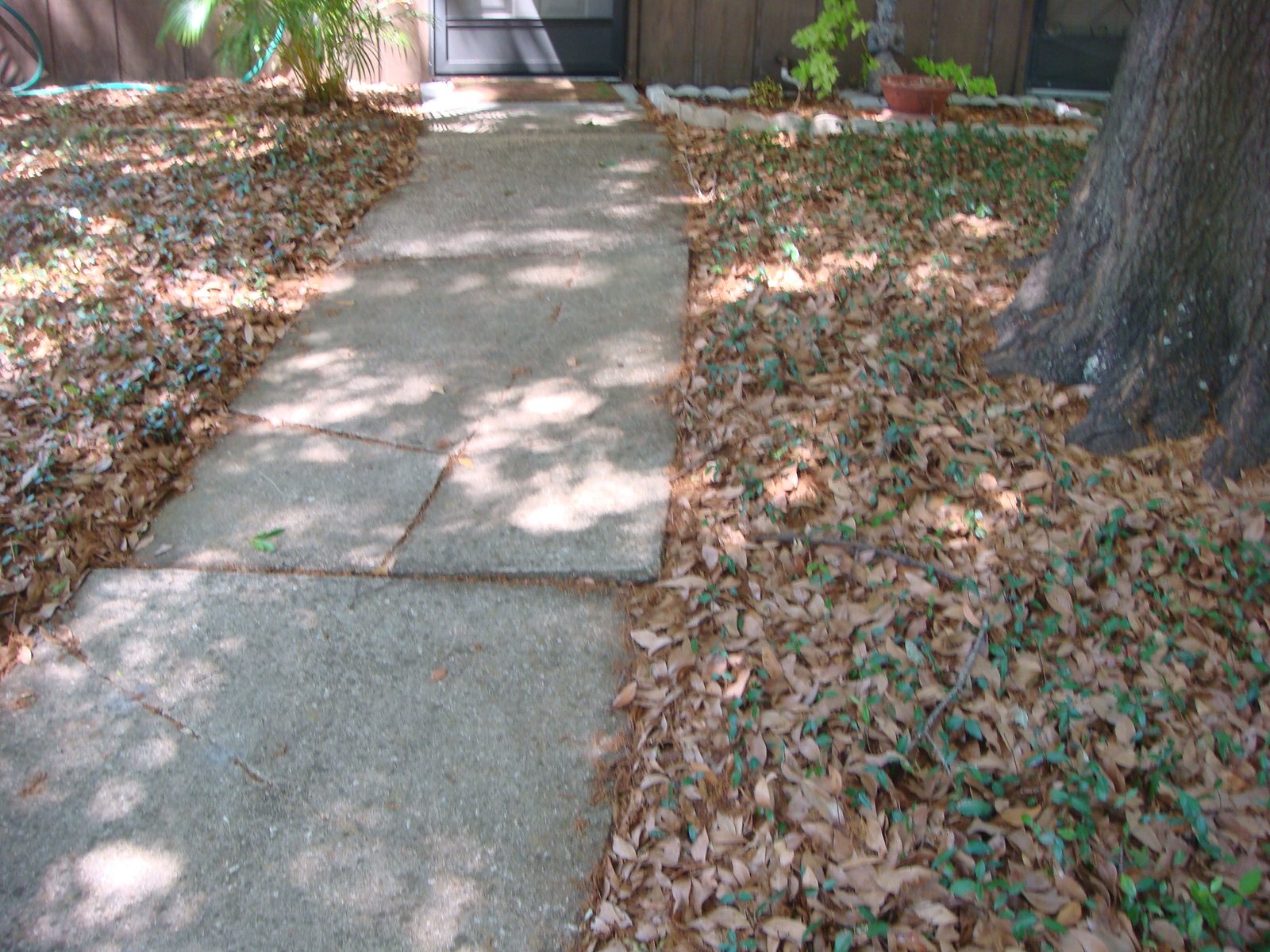
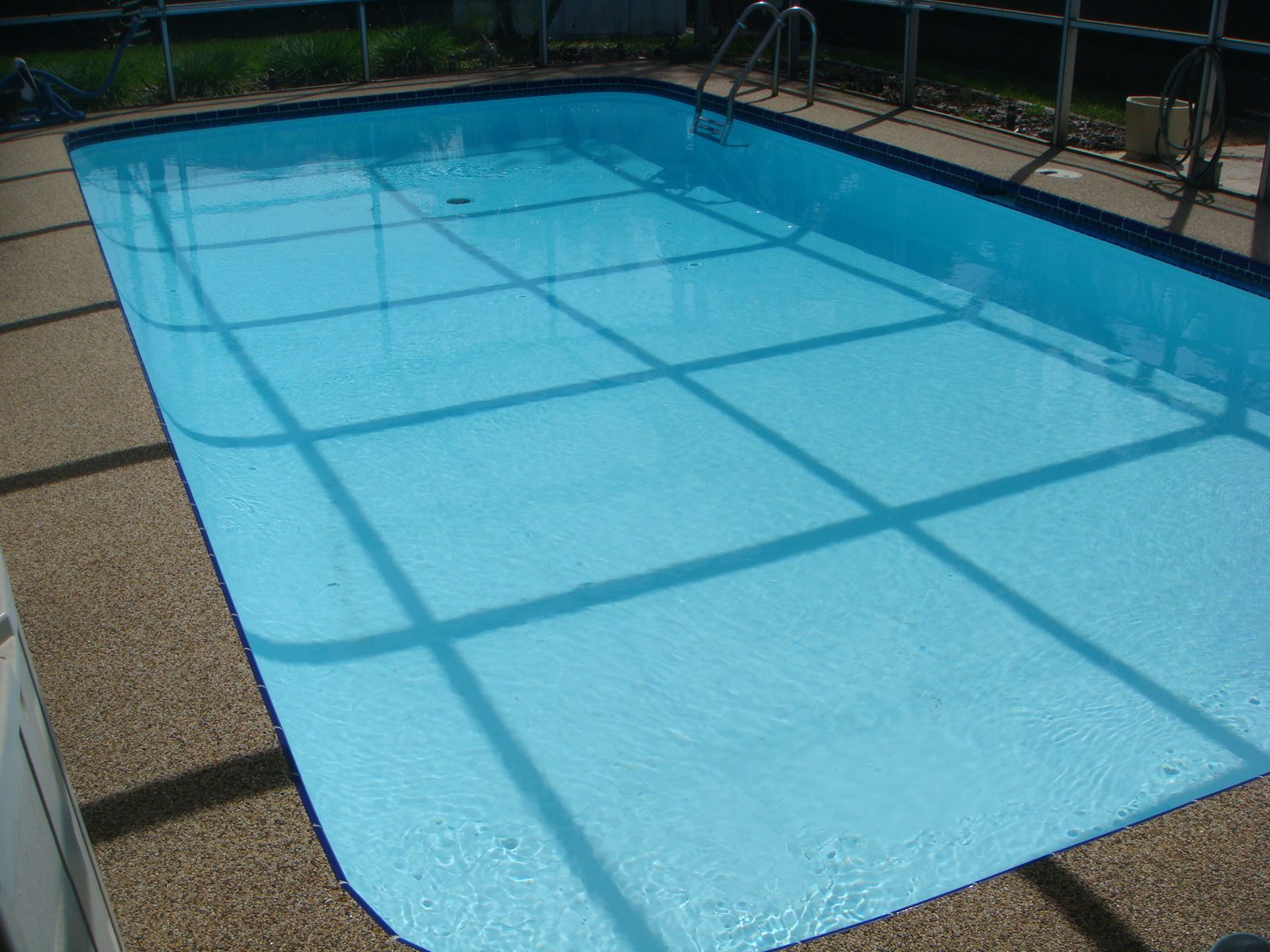
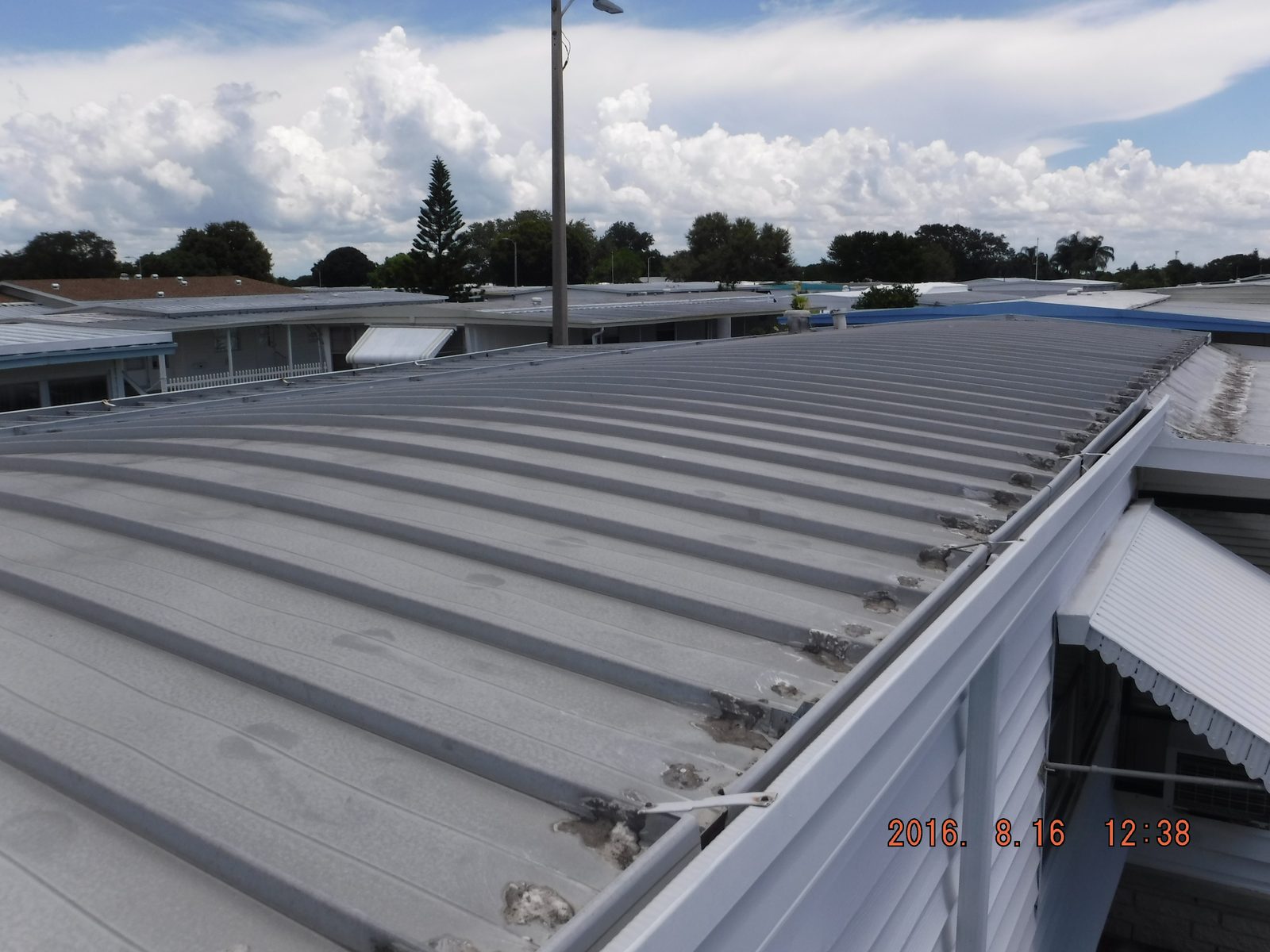
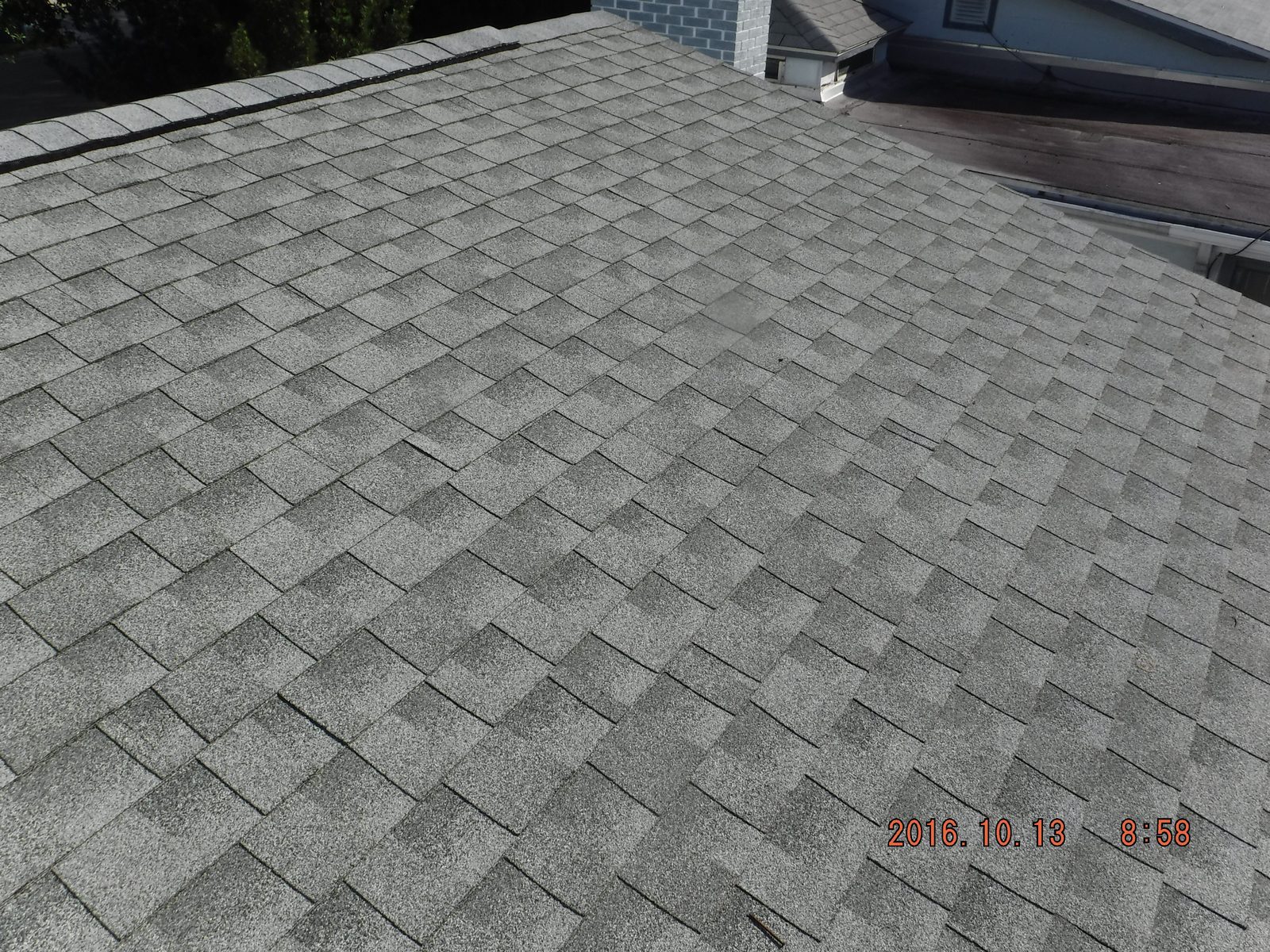
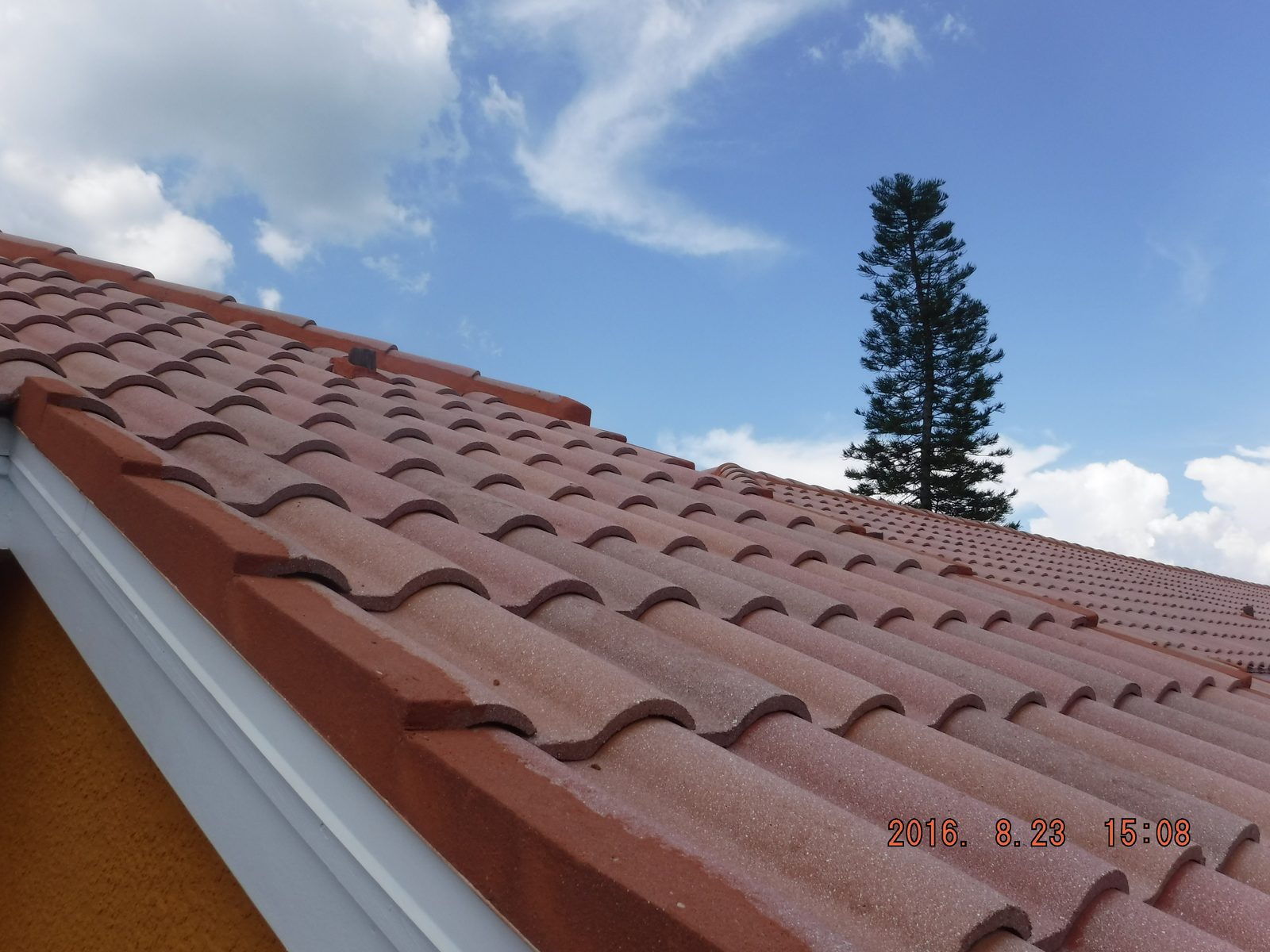
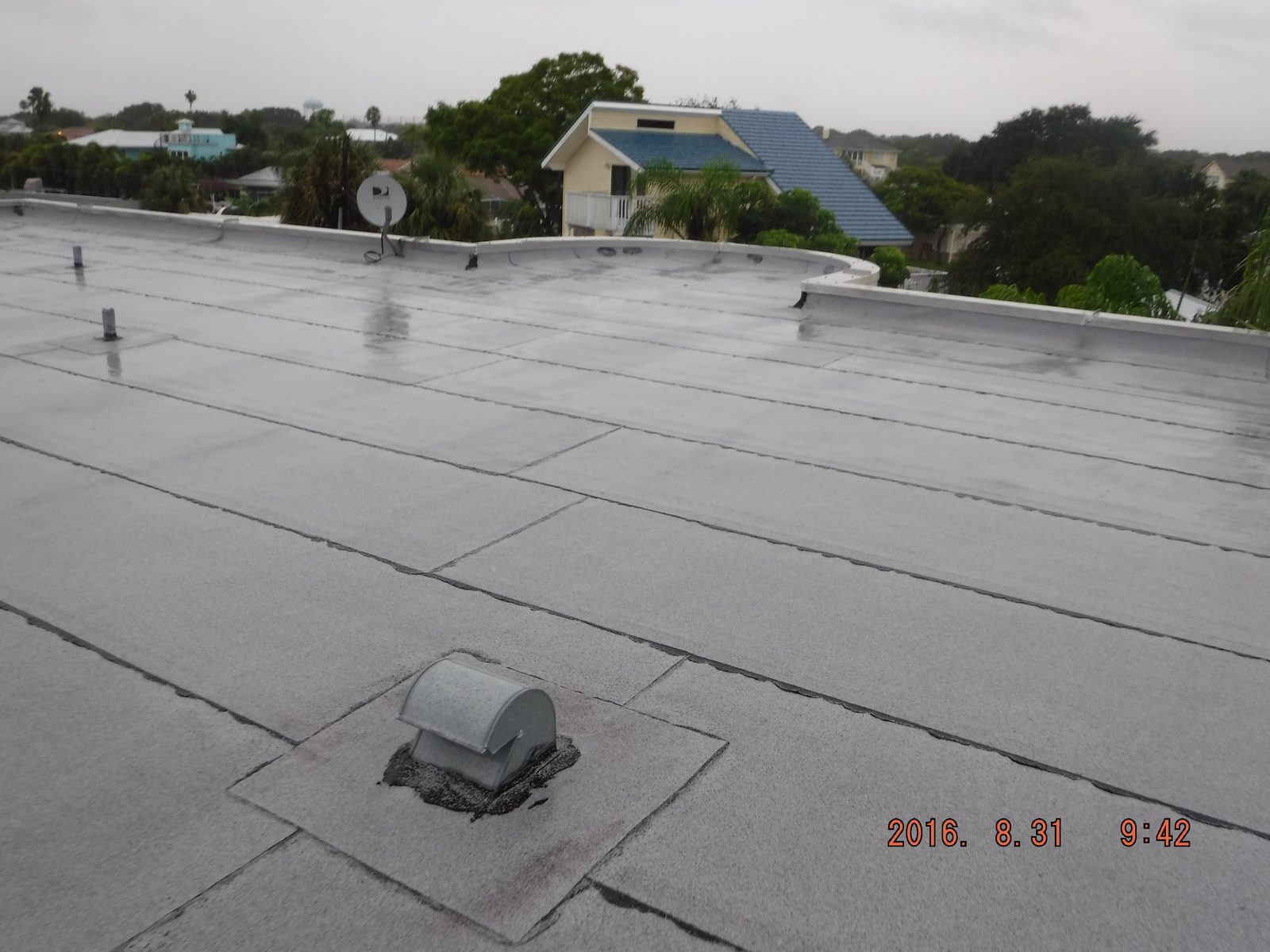
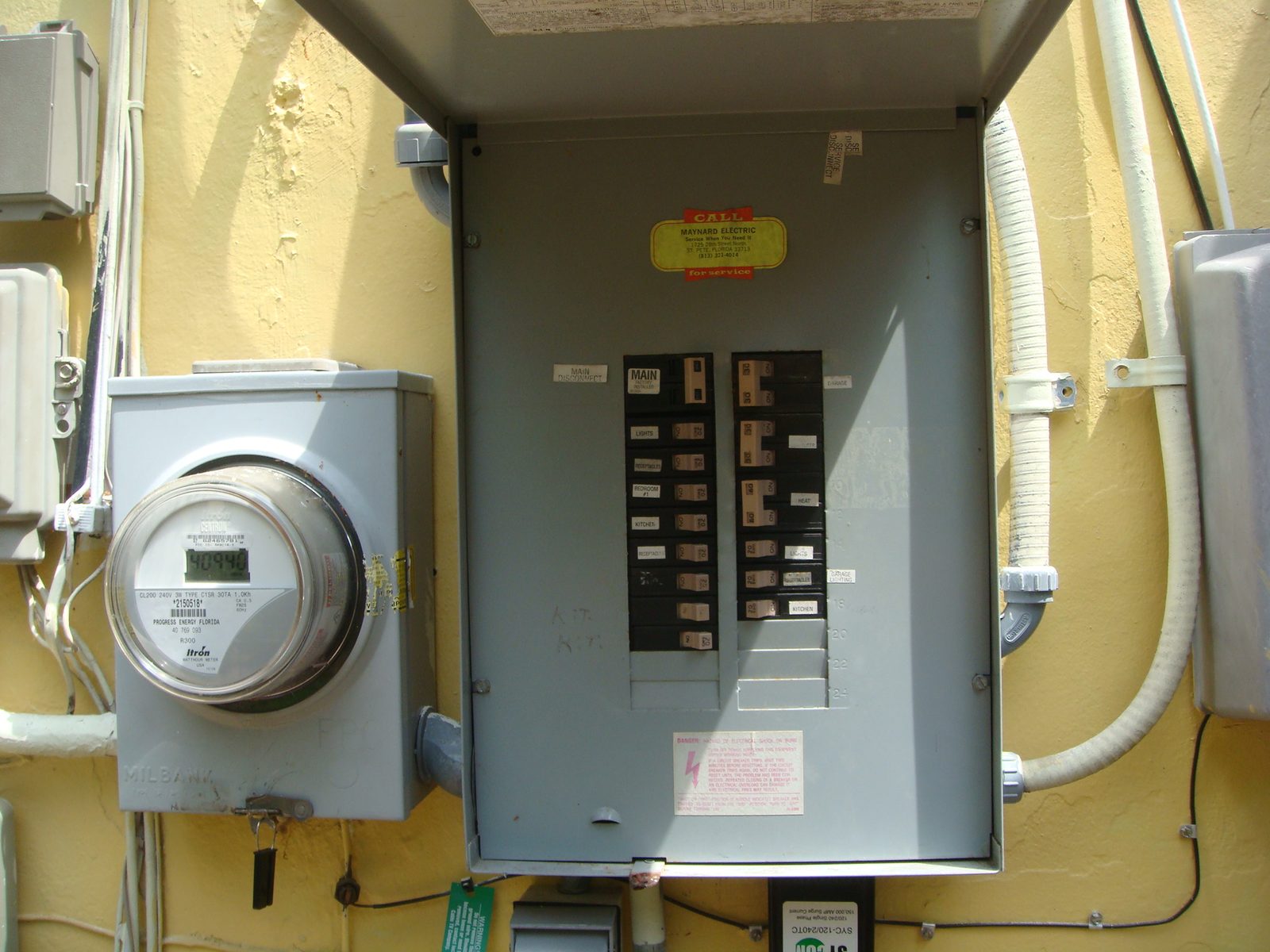
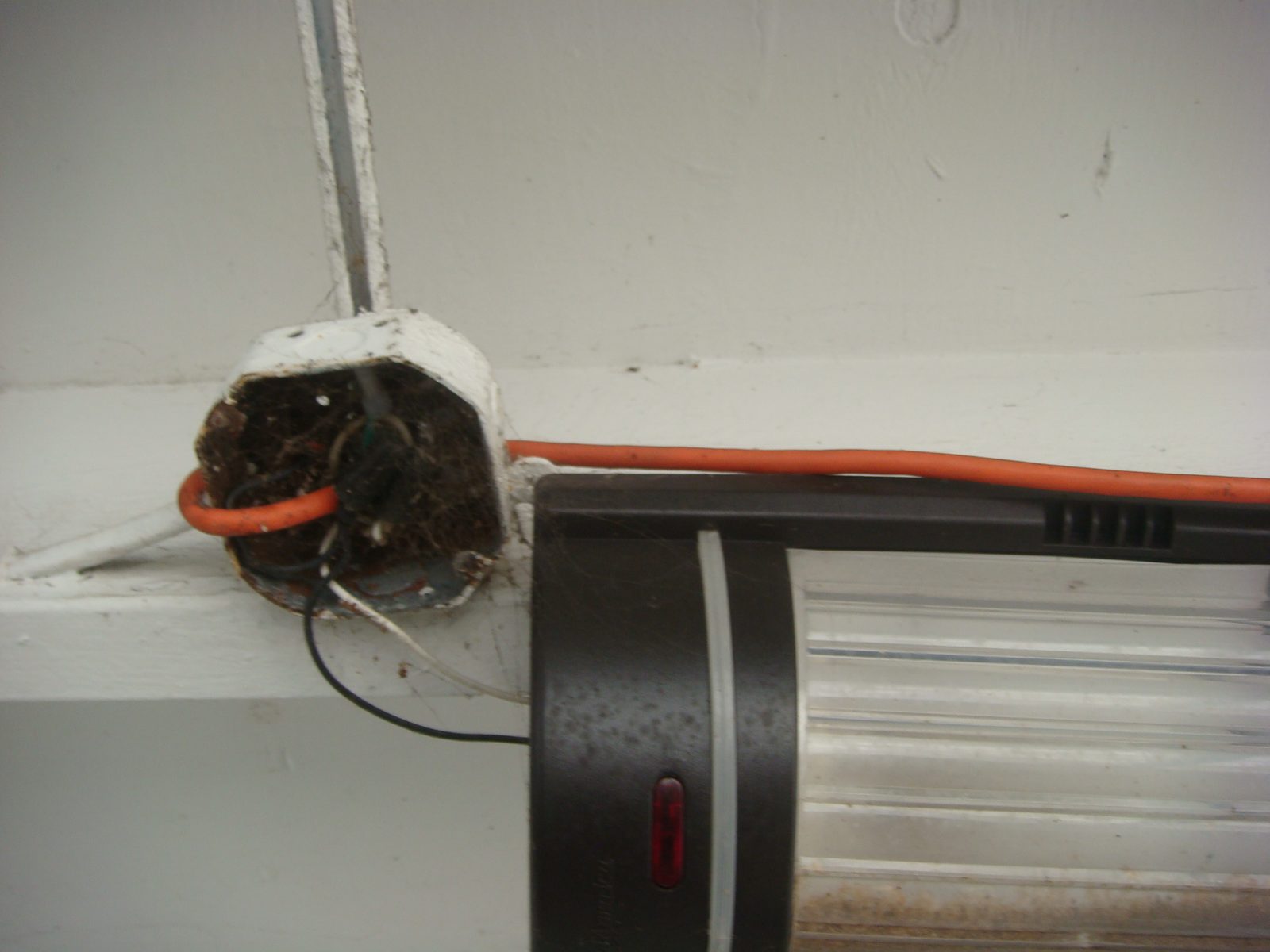
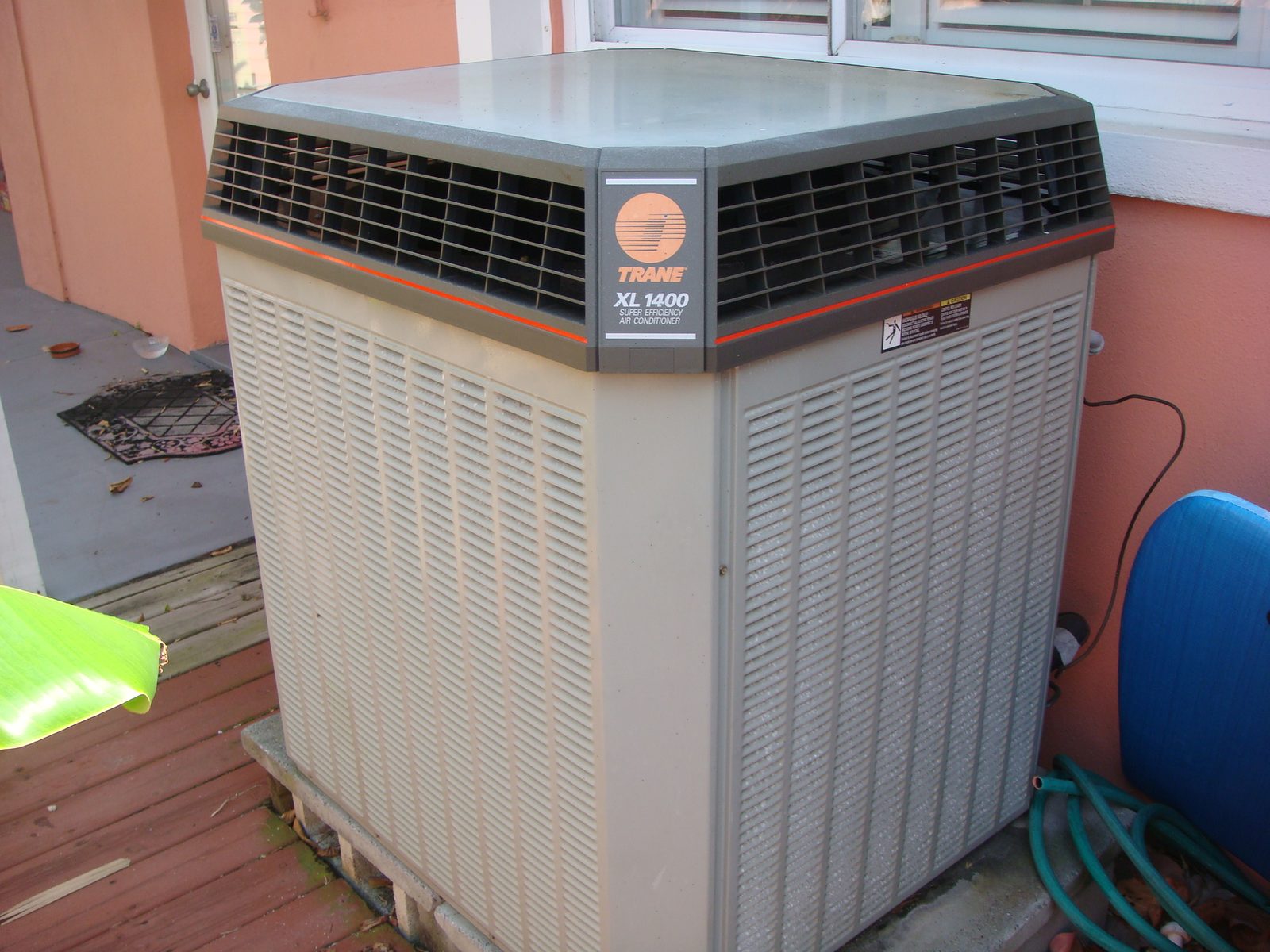
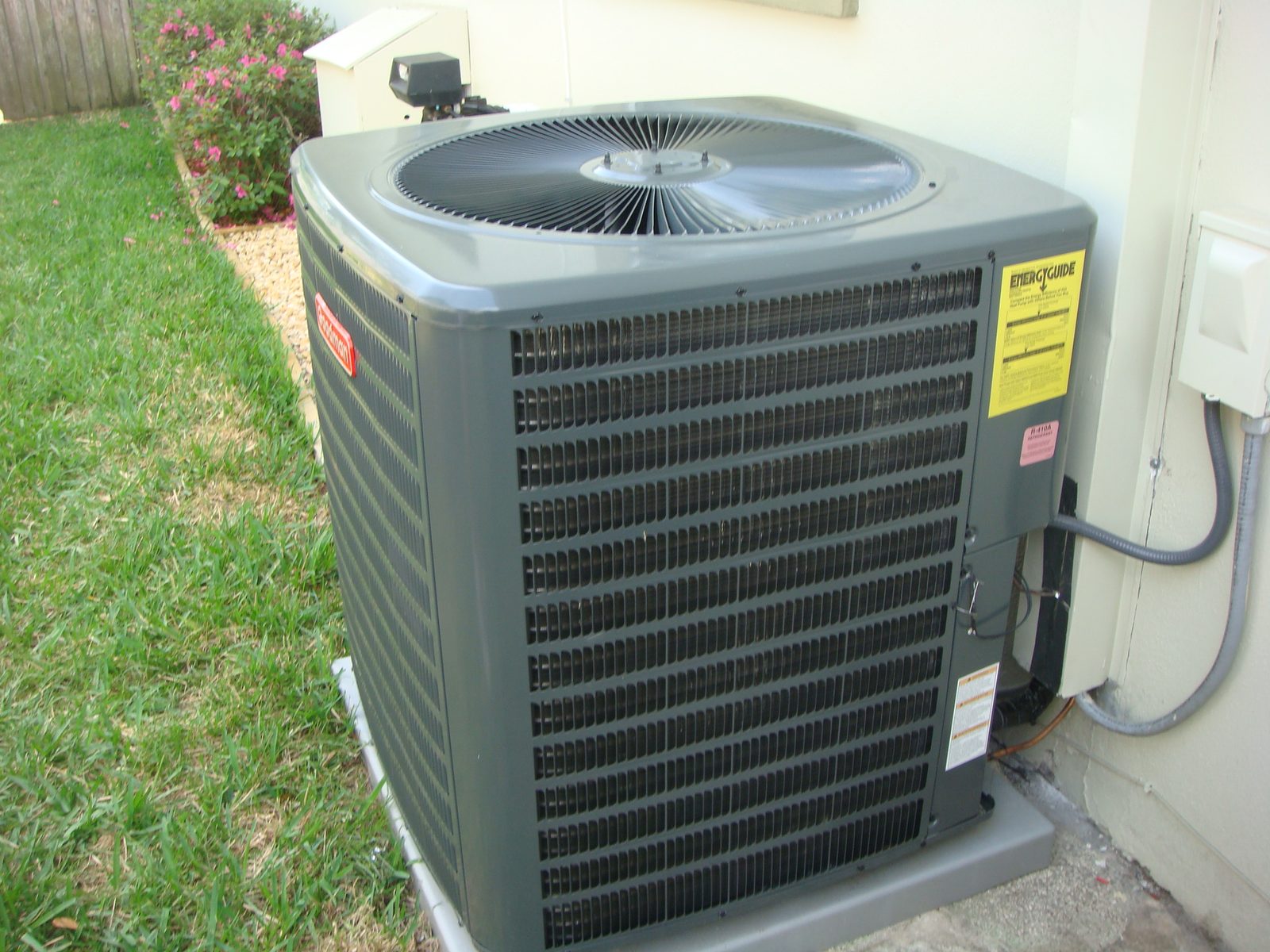
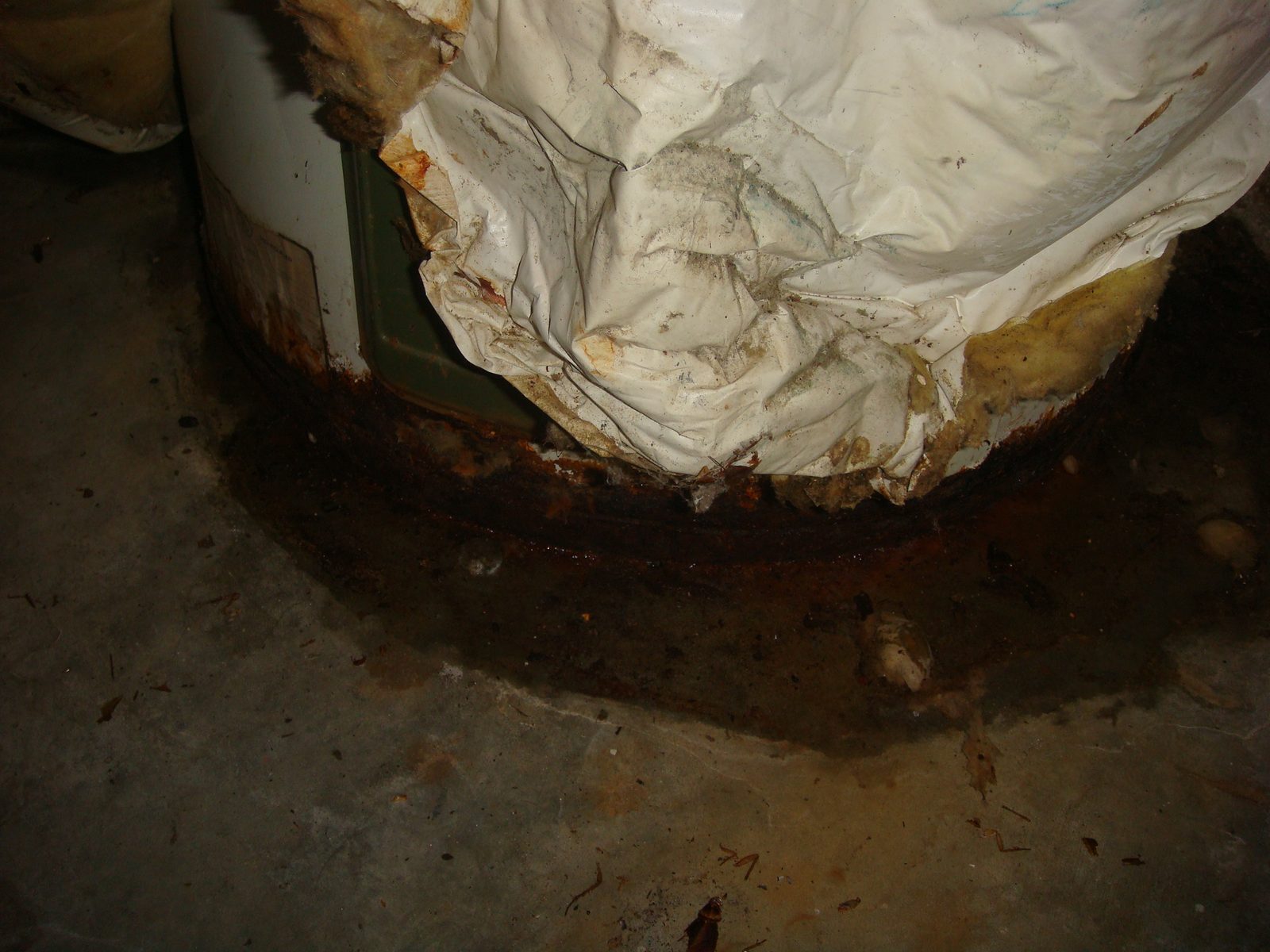
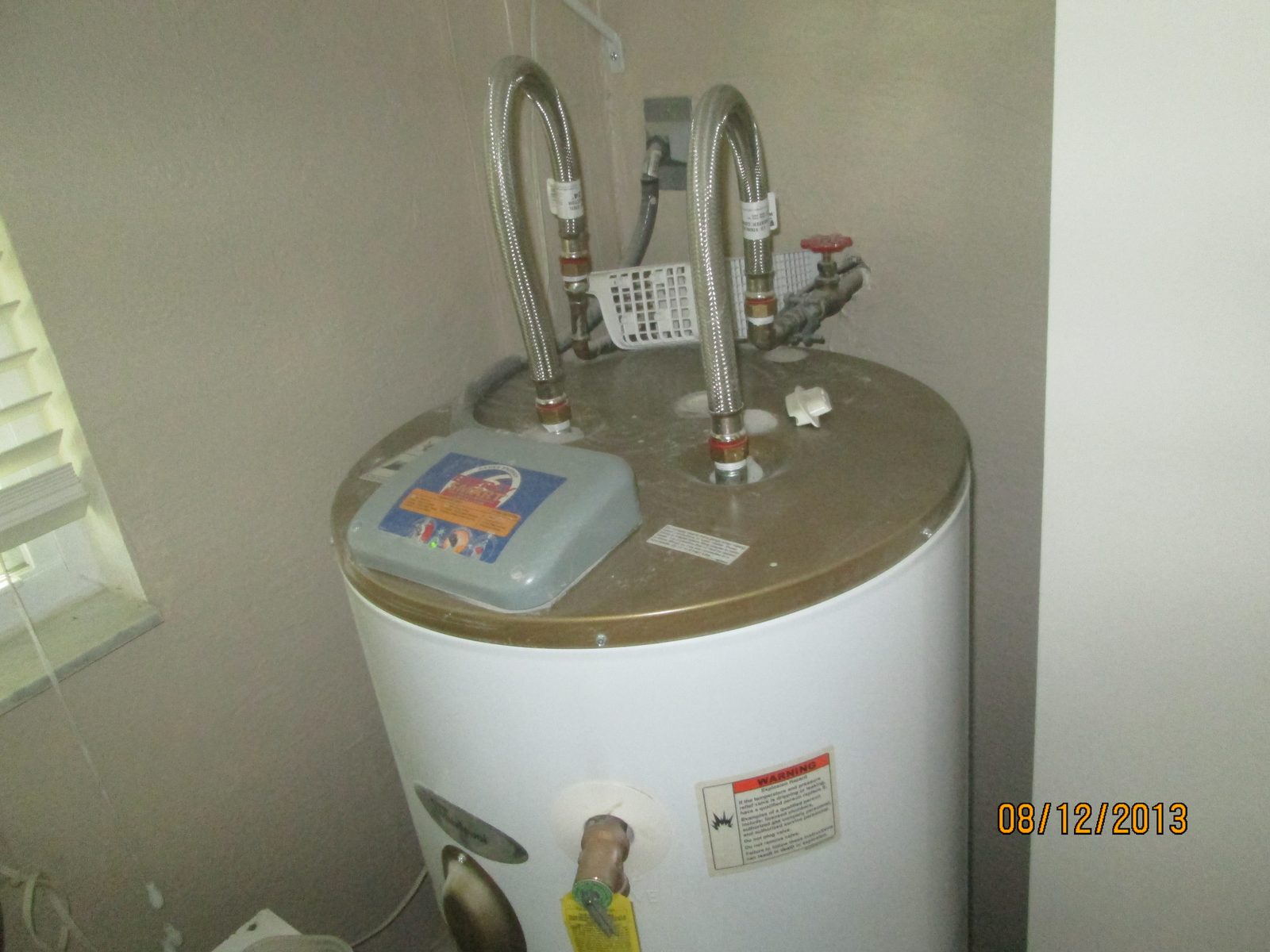
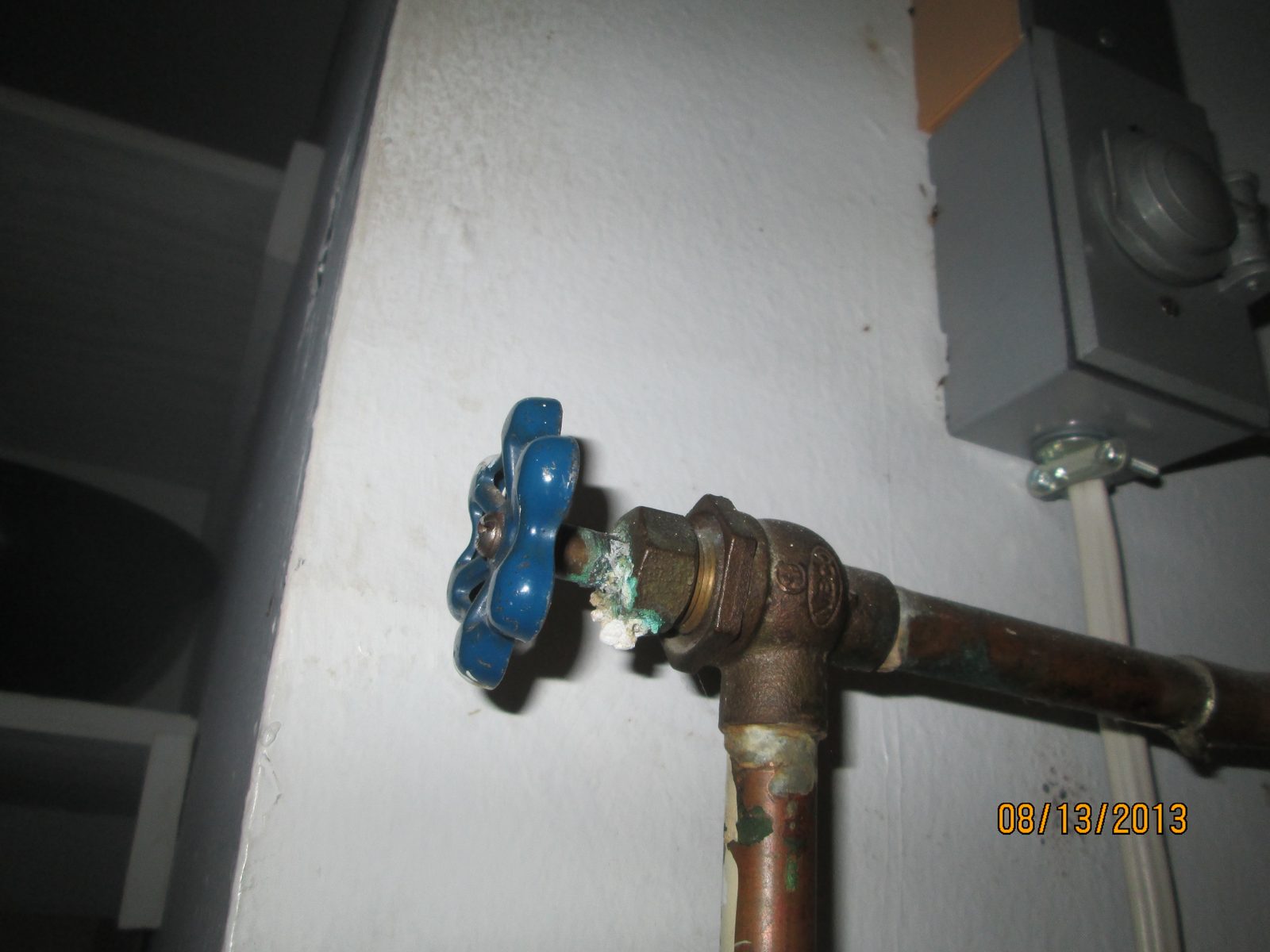
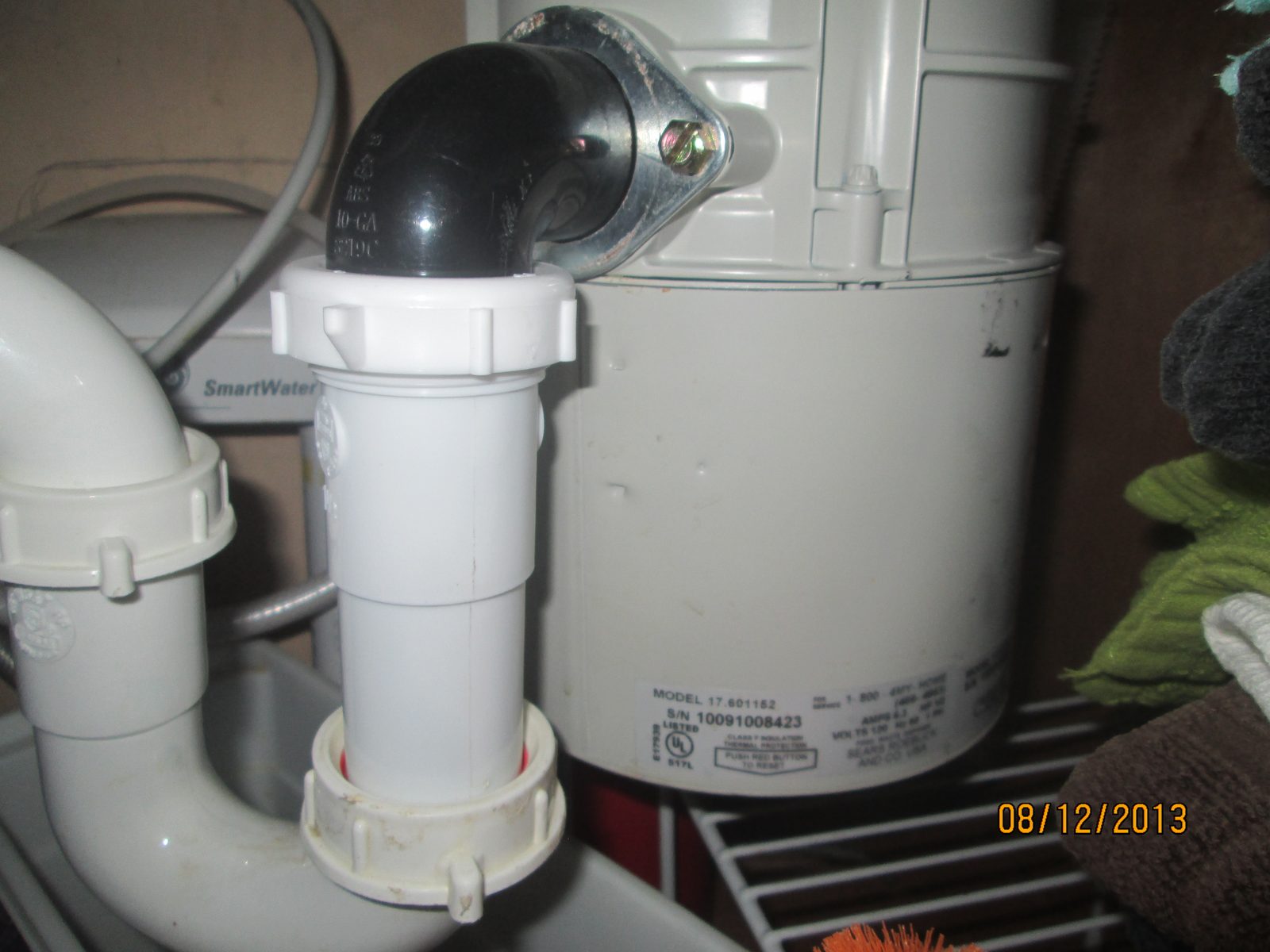
First Quality Inspections has provided comprehensive and highly detailed documentation in all full residential and commercial property reporting since we opened our doors in 2007. We use our own proprietary reporting structure that provides the highest quality of documentation in a format that is easily read and understood by everyone from new home buyers that are not construction savvy to long time property investors. A standard full home inspection generally includes a thorough review of all visible exterior features, roof surface observations, accessible attic and crawlspace areas, electrical, plumbing, HVAC, interior rooms, moisture indicators, pool areas, sidewalks, driveways, windows, shutters, flooring and interior aesthetics, and other visible concerns within the requested scope.
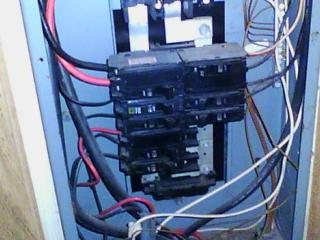
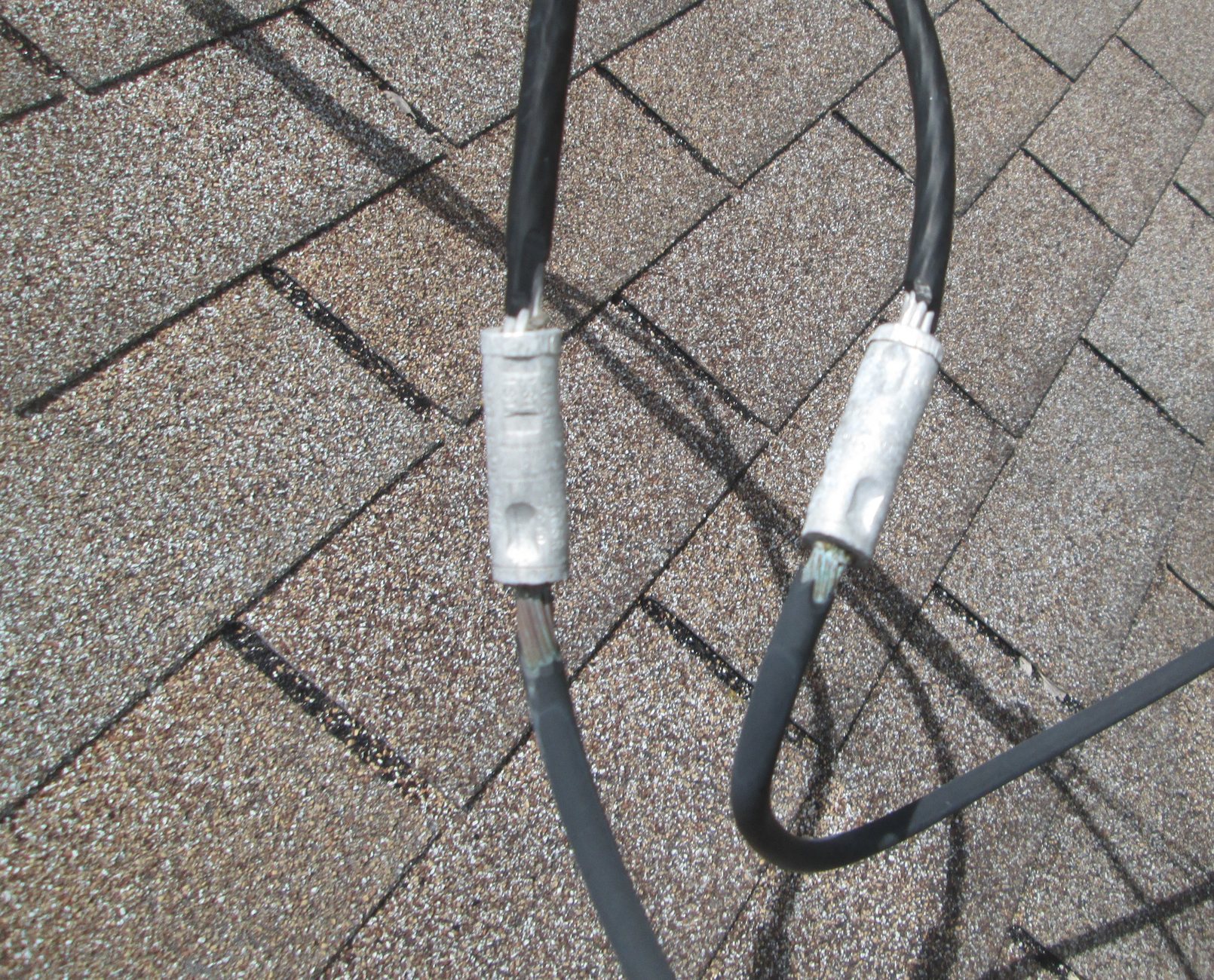
- Photo-supported findings arranged for clear review.
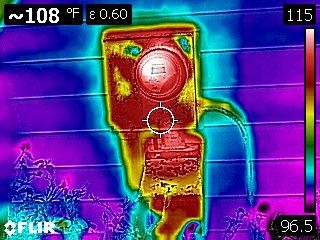
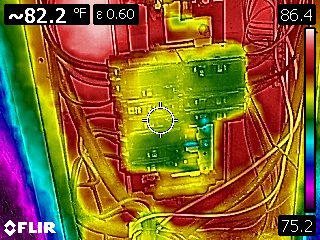
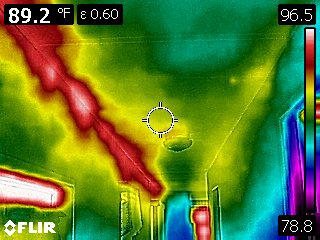
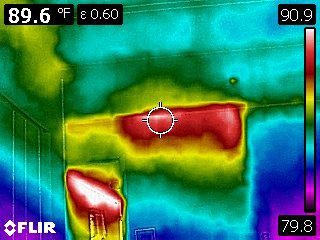
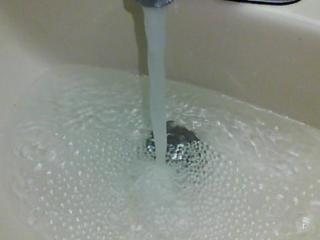
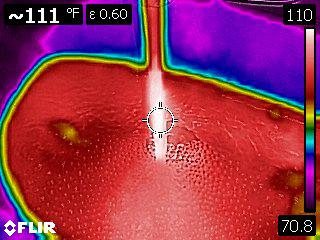
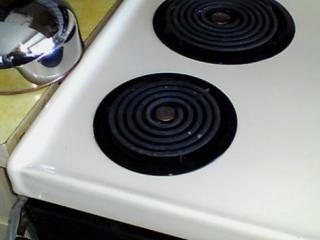
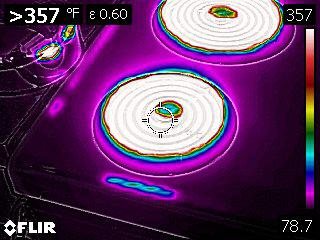
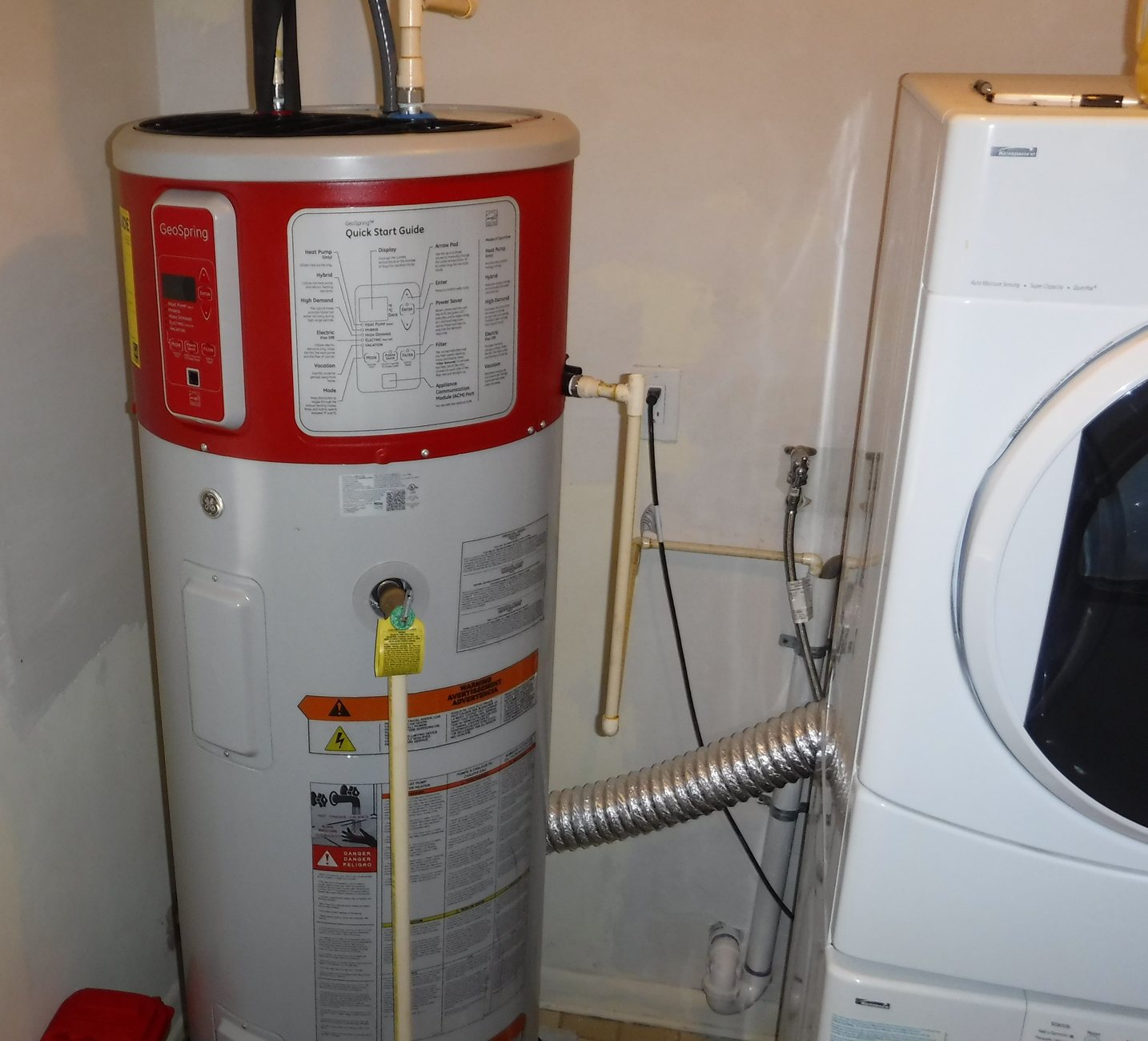
- Thermal imaging reviews with every full general home inspection for various electrical components such as the service panel and range/oven heating element testing, plumbing exposures such as water heater elements operability by testing water temperature, and various other readily accessible areas in the home. Generally, thermal images are provided within the report to help the client document current conditions.
- Systems and material conditions are documented in detail and commented on when major deficiencies are found, providing detailed narratives to help explain conditions in basic terms, providing explanation of a defect or system, not confusion or vague generalities.
- Optional stand-alone inspection areas when a full inspection is not needed.